A small hotel bathroom is an excellent test of a toiletry bag. There may be a narrow shelf, nowhere convenient to spread bottles and a towel hook already in use. A useful wash bag lets you find a toothbrush and your regular essentials without covering every available surface. It starts with fewer, well-chosen products rather than a larger collection of compartments.
Think about the routines you want to maintain away from home. A short city break, a beach stay and a work trip may call for slightly different items, but the core kit can stay simple. This guide focuses on practical organization and buying choices. Product suitability for your skin or health remains a separate decision, especially for medication and any prescribed treatment.
Edit products before choosing the bag
Place your daily essentials on a towel and separate them from occasional extras. Consider how much you need for the actual length of the trip. A familiar cleanser, toothbrush, toothpaste and a small selection of grooming products may cover more of your routine than a large set of unfamiliar travel minis. Check what the accommodation provides before duplicating items you are happy to use there.
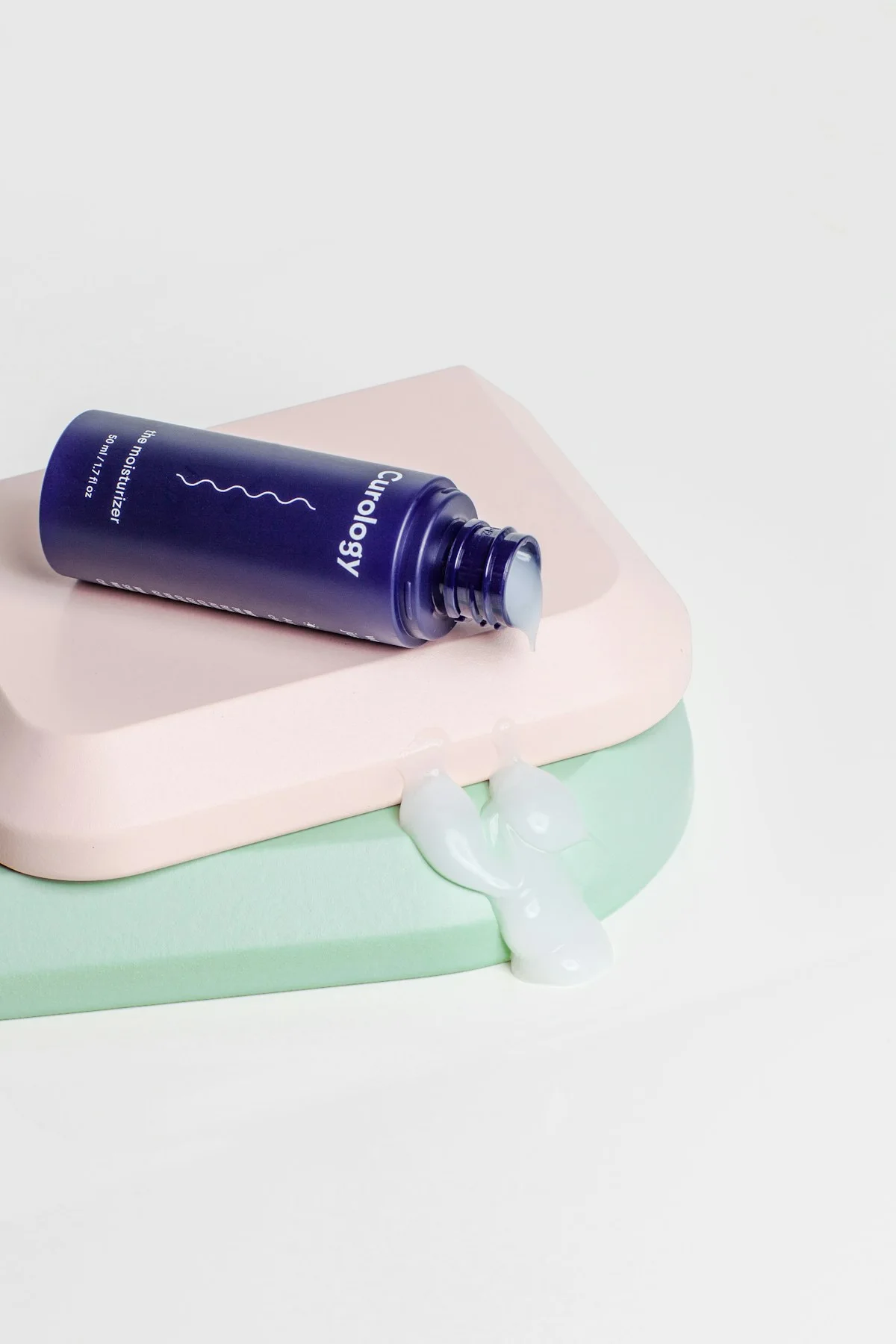
Keep products in their original labeled packaging where needed, and follow storage instructions. Decanting can be convenient for suitable cosmetics, but it is not appropriate for every product. Label refillable containers clearly so they are not confused in a shared bathroom. Do not assume that a container marketed for travel is compatible with everything you might put inside it.
Separate medical needs from the wish to minimize a cosmetic kit. Keep essential medication accessible in your cabin belongings and obtain relevant advice for storage, documentation or destination restrictions. The best-looking small bag is not a reason to alter a necessary routine. Build the rest of your packing around those requirements.
Understand what a liquids bag does
A wash bag organizes belongings. A security liquids bag serves the rules of the airport through which you are traveling. They are not automatically interchangeable. TSA's published guidance requires qualifying carry-on liquids in suitable small containers within the specified clear bag, with exceptions handled separately. Check current official instructions for each departure and connection where screening may occur.
A retailer's airport-approved label is not a guarantee of acceptance everywhere. Measure and assess the actual containers and bag against the relevant rules. Keep the screening items easy to retrieve when required, and avoid hiding them beneath tightly packed clothes. A transparent pouch can be useful inside a larger toiletry bag, provided it meets the applicable requirement.
Do not rely on an almost-empty large bottle as equivalent to a permitted small container. Security rules may consider the container's stated capacity. If you need an exception for medication or other essential liquids, consult official guidance before the journey. Preparing deliberately at home is easier than rearranging your bathroom kit in a queue.
Hanging bag or simple pouch?
A hanging design can help when counter space is scarce, but its usefulness depends on a suitable place to hang it. Check the hook size and how the bag opens. A heavy, fully loaded hanging bag may be awkward on a small hook. Do not assume every bathroom has a sturdy free rail exactly where you want it.
A simple pouch is lighter and easy to move between bags. Its drawback is that small items can gather at the bottom, especially if it has a dark lining and a narrow opening. A broad opening and light interior may make a modest pouch easier to use than a highly compartmentalized design. Choose around visibility and access rather than pocket count.
For shared accommodation, a bag that can close quickly is useful. You can remove your essentials, finish your routine and clear the space without leaving products scattered. For longer stays, you may prefer to unpack a few items and keep the rest contained. Consider that routine before paying for a design intended to function as an entire portable bathroom cabinet.
Reduce leak problems without overcomplicating packing
Check every closure before leaving and follow the container manufacturer's instructions. Keep potentially messy products in a separate barrier from clothing and electronics. Leave enough space that a bottle is not pressed against a hard corner when the suitcase closes. If a cap or bottle is already unreliable at home, replace it rather than expecting travel to improve it.
Clean and dry containers between uses where appropriate. Do not repeatedly top up a bottle without considering its condition and the product's storage guidance. Keep a small absorbent cloth if it has a clear role, but avoid filling the bag with layers of protective packaging for items you could simply leave at home. Fewer containers mean fewer opportunities for a problem.
Buying criteria that make a difference
Check empty weight, opening width, lining, zipper access and cleaning instructions. A wipeable interior can be helpful, though seams and corners still need attention. A dark exterior may hide scuffs while a lighter interior improves visibility. Removable pouches can help with screening, but extra sections also add bulk.
Compare your edited product kit with the bag's actual dimensions. Do not buy a larger size merely to store every spare bottle you own. Inspect the construction if possible and review the return policy before loading products inside. If your existing pouch holds the edited kit securely, you may need no purchase at all.
A departure and return routine
Before leaving, check the liquids rules, closures and product labels. Put arrival-night essentials near the opening and keep the kit accessible for screening. In the hotel, establish one place for small items such as contact lens supplies or grooming tools, while following their individual care instructions.
After the trip, empty the bag promptly. Clean any residue, let it dry and note what you used. Replenish only the items that belong in the next trip's kit. Our week-long carry-on plan helps connect this smaller routine with your clothing and luggage choices.
Common questions
Should you buy a complete refillable bottle set? Only if its materials, sizes and closures suit the products you intend to carry. A mixed set of a few appropriate containers may be enough.
Are solid products always easier? They may simplify some packing, but choose products you can use comfortably and store properly. Their form alone does not make them right for your routine.
What feature should come first? Easy access to a deliberately edited kit. A small reliable pouch with a clear purpose is usually more useful than a spacious bag filled because the space is there.