
A road trip can make it tempting to pack generously. The car appears to offer space, and another bag seems easier than making a decision. Yet a brief overnight stop still involves carrying belongings indoors, finding the things needed before bed and repacking while everyone is ready to leave. A small overnight bag can make that handover more manageable.
The idea is not to leave important possessions unattended or to assume that every stop has the same arrangements. It is to separate what the next night genuinely needs from the rest of the trip, then handle the main luggage according to the circumstances. Pack for the stop you have planned, not an imaginary weekend that might happen inside it.
Begin with the following morning
Think through the next departure before adding anything to the bag. What will you wear, where will you get dressed and which everyday items need to be accessible? A well-chosen morning outfit can prevent the familiar scene of opening the large case to find one small garment while another person waits by the door.
Include the evening routine only after that. If the stop is primarily for a meal and sleep, it may need less than a longer stay. If you have a particular dinner planned, pack that change deliberately. A separate bag works best when it represents a clear sequence of actions rather than a second, smaller collection of every possibility.
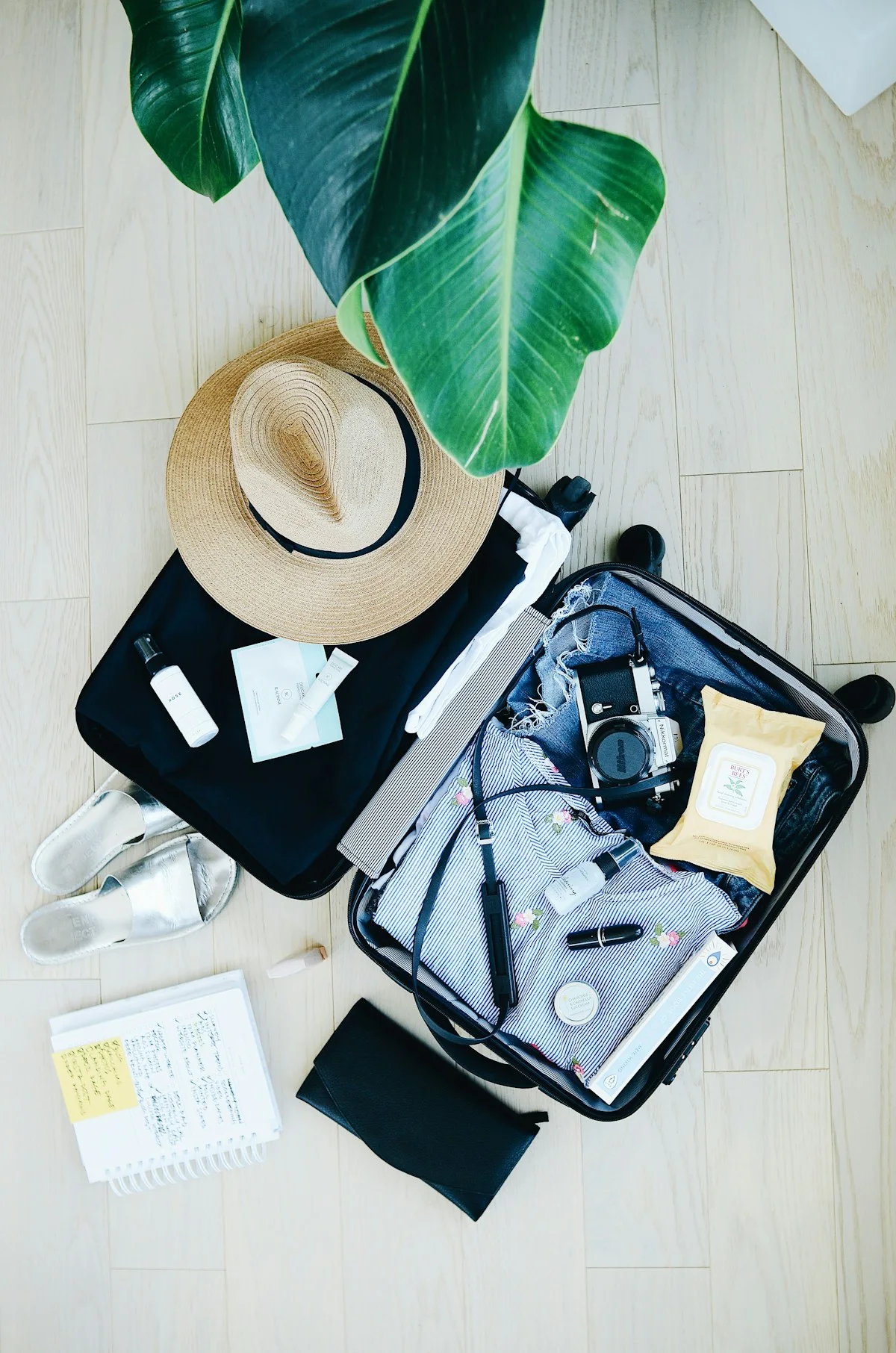
Give each item one obvious destination
Keep clothing together and toiletries contained so they can move to the appropriate room area without scattering through the bag. Separate anything worn or used from what remains ready for the next day. Existing pouches may be enough; the objective is finding things quickly, not creating a matching set of accessories.
Leave a little room for the difference between departure and return. Clothes folded at home may not take up exactly the same space after a night away. If the bag closes only when every object is arranged perfectly, it may be too tightly packed for a stop that is meant to feel simple. Our packing guides favor a routine you can repeat without ceremony.
Check what the accommodation changes
Read the property information for the practical details that matter to your arrival. Consider access, the route to the room and any arrangements that influence how much you want to carry at once. Ask about important uncertainties rather than assuming that a photograph shows the entire arrival experience.
The room itself may offer little space for an open suitcase. An overnight bag can be useful when it lets you access the essentials without occupying the floor. But it is not a universal solution: if the next stop is longer, a proper unpacking of the main case may be more convenient than maintaining two competing systems.
Keep the arrival essentials easy to identify
Travel days create a mixture of objects: a coat worn at lunch, a book from the passenger seat and something bought along the way. Before arriving, take a moment to identify what needs to come with you. Do this at a suitable stop rather than treating a busy entrance as the place to reorganize everything.
Agree on who handles shared items. If everybody assumes someone else has packed the common toiletry pouch or charging accessory, a small-bag plan can fail despite each person's clothing being perfectly arranged. One brief check of shared belongings is more useful than adding duplicates to every individual bag.
Replenish instead of starting again
After the stay, reset the overnight bag for the next relevant stop. Replace clothing that has been used, return items with no immediate purpose to the main luggage and make sure the next morning's essentials are still together. This avoids carrying yesterday's bag unchanged simply because it was already separate.
If the route includes different kinds of stays, let the contents vary. A simple inn, a longer city visit and a special evening may each ask for something different. The bag is a tool for those changes, not a rule that must remain identical throughout the journey. More thoughtful hotel routines begin with the stay you are actually taking.
Use the system only where it reduces work
A small arrival bag is useful when it removes repeated handling and makes a brief stay calmer. It is less useful when it creates another item to track without changing the room routine. Try the idea on a straightforward trip and notice whether you are opening the main case less often or merely opening both bags.
Keep the good parts and discard the rest. You might find that separating one outfit and the wash bag is enough, without buying a dedicated overnight bag at all. The practical success is a comfortable arrival and an uncomplicated departure. A road trip should leave room for the stops themselves, with luggage helping quietly in the background.