A long weekend often begins with a carefully edited suitcase and ends with a bag that will no longer close. A bookshop, a small craft store or a food market can be a lovely part of the trip. The problem is not shopping itself; it is treating everything bought away as though it will somehow occupy no space on the return.
If gifts are part of your plan, give them a place before departure. Think about the people you are buying for, the kinds of objects you enjoy finding and how you will carry them. A little intention can preserve the pleasure of choosing something without turning the last evening into a battle with your luggage.
Leave useful space, not an imaginary gap
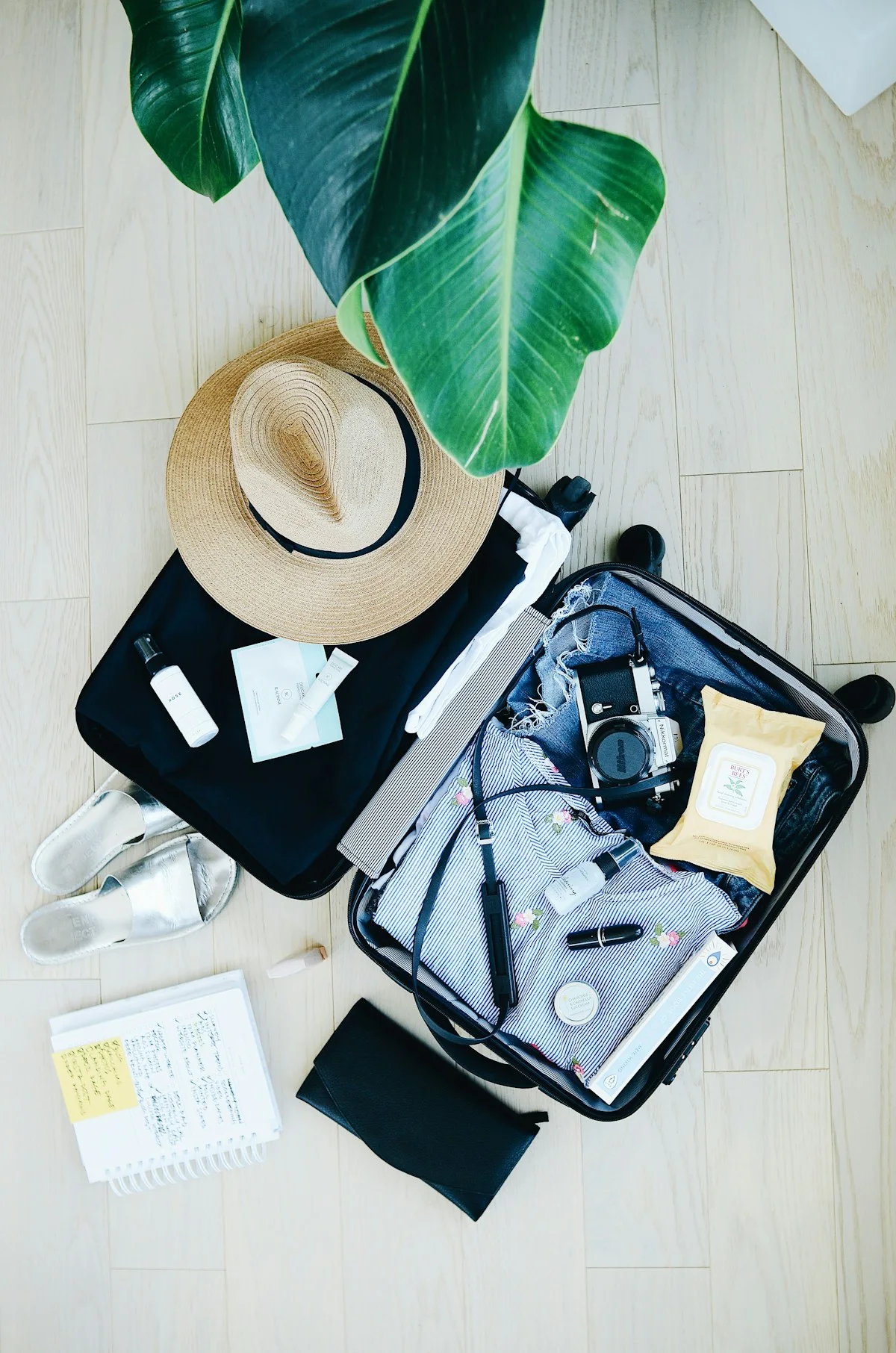
Look at the case after packing and identify where a purchase could go. A tightly filled bag with one awkward corner may not have the practical capacity that a quick glance suggests. Consider the shape of the objects you might choose as well as their size. A flat book and a rigid handmade object ask for different kinds of room.
Reduce something from the outward packing list if return space matters to you. Leaving out an outfit you are unlikely to wear may create more flexibility than adding a new empty bag. Our packing advice treats space as part of the itinerary: if you already know you want to shop, make that activity visible in the plan.
Choose for the recipient and the journey
A gift should make sense beyond the moment you see it. Think about whether the recipient will use or enjoy it, then consider how the item must be handled. A delicate object that needs continuous attention may be a poor fit for a trip involving several transfers, even if it is beautiful in the shop.
Ask practical questions before buying. Find out about the item's packaging and any care information you need. If a seller offers a delivery arrangement that interests you, check the details and conditions directly rather than assuming it solves every part of the journey. Do not turn a pleasant purchase into a commitment you do not understand.
Group browsing into a comfortable part of the day
Allow time to browse without placing it immediately before a departure. Shopping under a hard deadline encourages hurried choices and makes packaging feel like an obstacle. A quieter afternoon or a short neighborhood loop may give you more space to compare what you actually want.
Keep the list small enough that you can enjoy finding something. A trip is not a failed errand if you do not locate an item for every person. Our destination planning approach favors realistic days, including time to sit down and the option to leave a shop without buying. Those pauses help keep the purchases intentional.
Protect the purchase without sacrificing the whole case
Assess how the item will sit among your belongings before the final packing session. Keep surfaces that could mark or damage one another apart, and use suitable packaging for the object. Ordinary clothing may help organize space, but it should not be treated as a guarantee that something fragile will withstand every kind of handling.
If you are uncertain about transporting an item, ask the seller for advice appropriate to it and think carefully about whether the purchase fits this trip. The smallest object is not always the simplest to carry. A sturdy, usable gift can be more enjoyable to bring home than something whose condition becomes a constant concern.
Keep the return journey easy to manage
Count the number of separate pieces you expect to handle. An additional shopping bag may seem harmless in the room but become inconvenient alongside your regular luggage and everyday essentials. Review the actual arrangements for your journey and the rules of the transport you have booked before relying on any particular bag setup.
Repack while you have time to make sensible changes. Put the things needed during the journey in an accessible place, rather than burying them beneath carefully wrapped purchases. The return should still work as a travel day. A successful gift choice should not make every routine action on the way home awkward.
Remember what was worth carrying
After the trip, notice which purchases became useful or meaningful and which were bought mainly because there was a shop in front of you. This is not an exercise in regret. It is a way to make the next weekend's shopping more deliberate and to understand how much return space you tend to need.
A good gift can hold a small part of a journey without requiring a suitcase full of objects. Leave room, choose with the recipient in mind and consider the whole route home before committing. The thoughtful souvenir is often the one that fits comfortably into both the bag and the life waiting at the other end.