
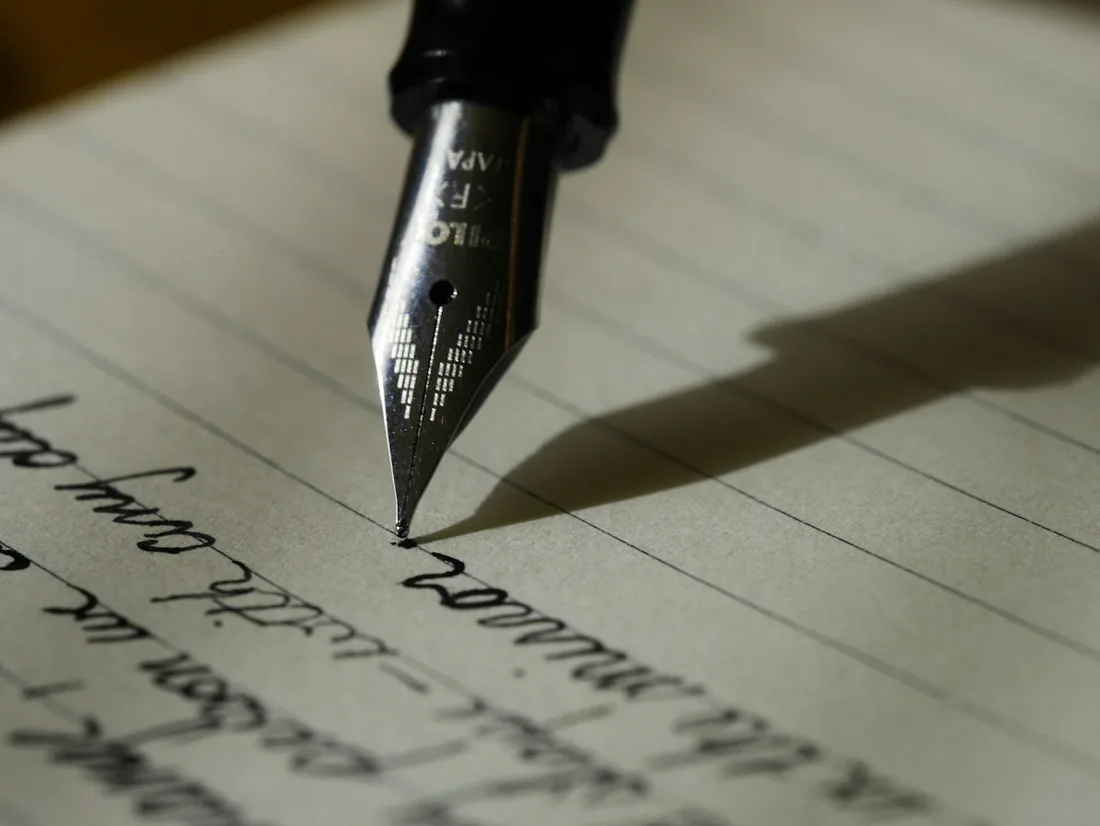
A travel notebook can hold a remembered conversation, a departure time and a beautiful description of a street on the same page. Months later, those entries can look equally authoritative. Give facts and impressions distinct forms so that the notebook remains useful without turning a passing observation into a claim you cannot support.
Mark what you directly observed
Write the date and location of a note when they matter. Describe what was visible from your position rather than making a broad statement about an entire neighbourhood. “The courtyard was quiet during our afternoon pause” preserves the moment more accurately than declaring that the place is always peaceful.
You do not need a formal coding system. A small label such as observation, reminder or confirmed detail can be enough. Use the categories consistently so that an unfinished booking question does not later resemble a verified arrangement. Leave uncertain names or spellings marked for checking rather than confidently completing them from memory.
Keep operational details separate
Record reservations, addresses and current instructions in the appropriate secure travel record. A handwritten summary can help you orient yourself, but the provider's actual confirmation remains important. Do not rely on an evocative journal page as the only copy of information needed for admission or transport.
The Padua reservation record illustrates how exact visit details differ from a personal account of the visit. If you copy a practical detail into the notebook, note where it came from and when you checked it. Avoid exposing booking codes or personal information in photographs of the page.
Link words with photographs honestly
Use a simple reference to connect a note with a small selection of images. Record the subject, your position and anything relevant that the photograph does not show. If a frame excludes a busy road or a queue, the notebook can preserve that context without making the image carry every part of the experience.
The travel photo story becomes more coherent when captions draw from specific observations. Keep quotation marks for words you recorded accurately and have an appropriate basis to use. A remembered idea can be paraphrased as your recollection instead of attributed as an exact quotation.
Review before sharing
When turning notes into a recommendation, separate durable observations from details that can change. Opening arrangements, prices and services need current verification through the relevant source. Your notebook may establish what you encountered on a particular day; it does not guarantee the same experience for another traveller.
What if a page is messy? Preserve the original and add a clear correction nearby rather than silently replacing uncertainty with confidence. The purpose is a trustworthy record, not a flawless manuscript. A short accurate note about what you noticed can be more valuable than a polished paragraph assembled later from assumptions and attractive photographs.


