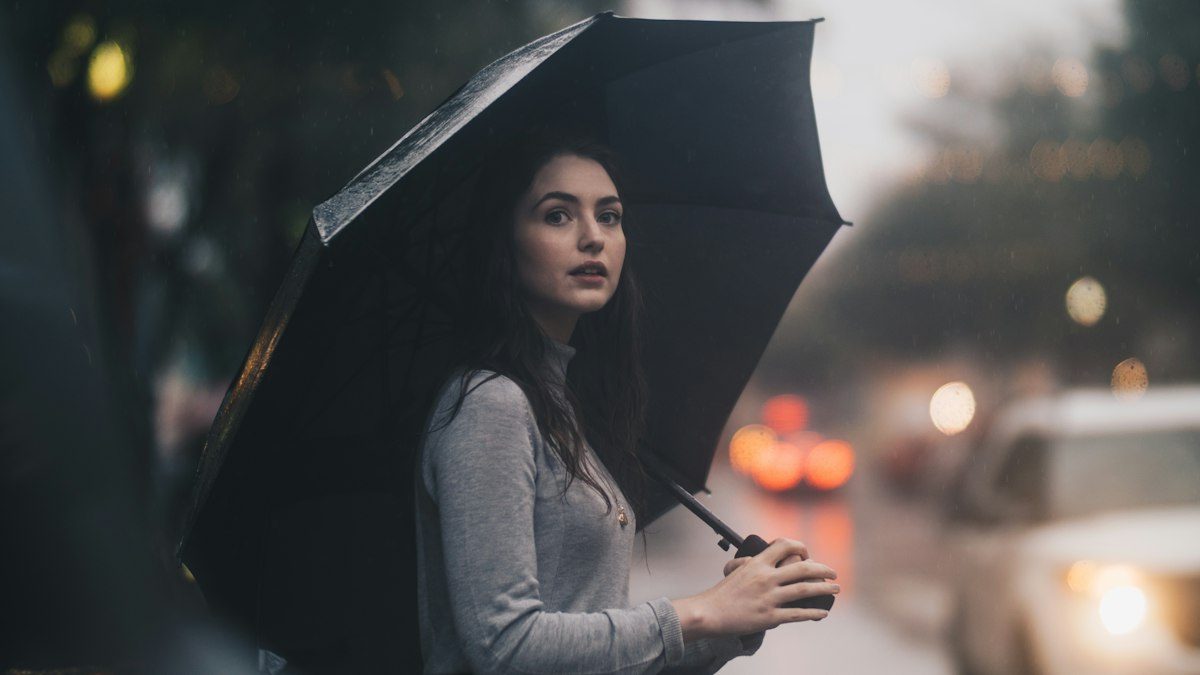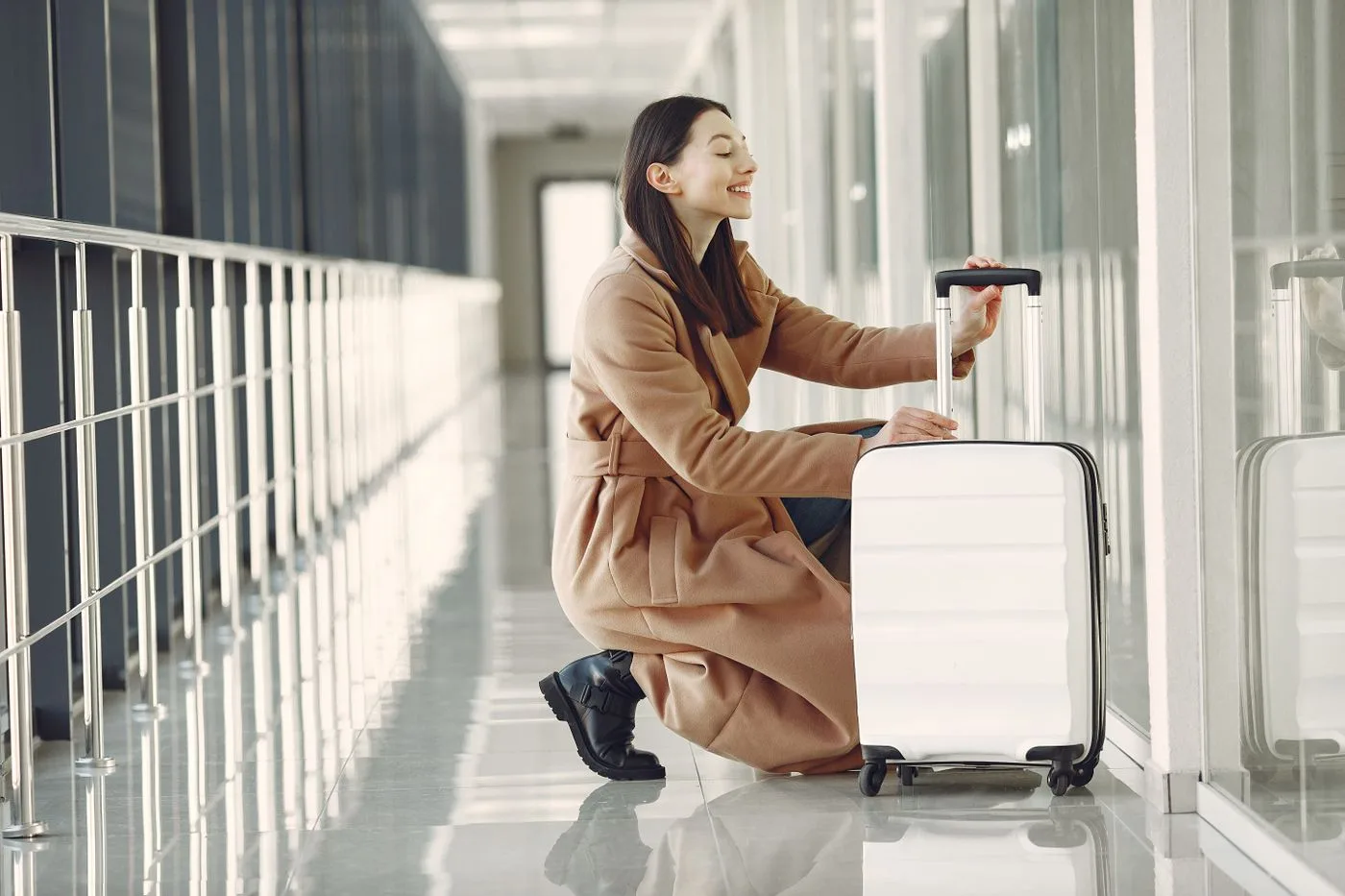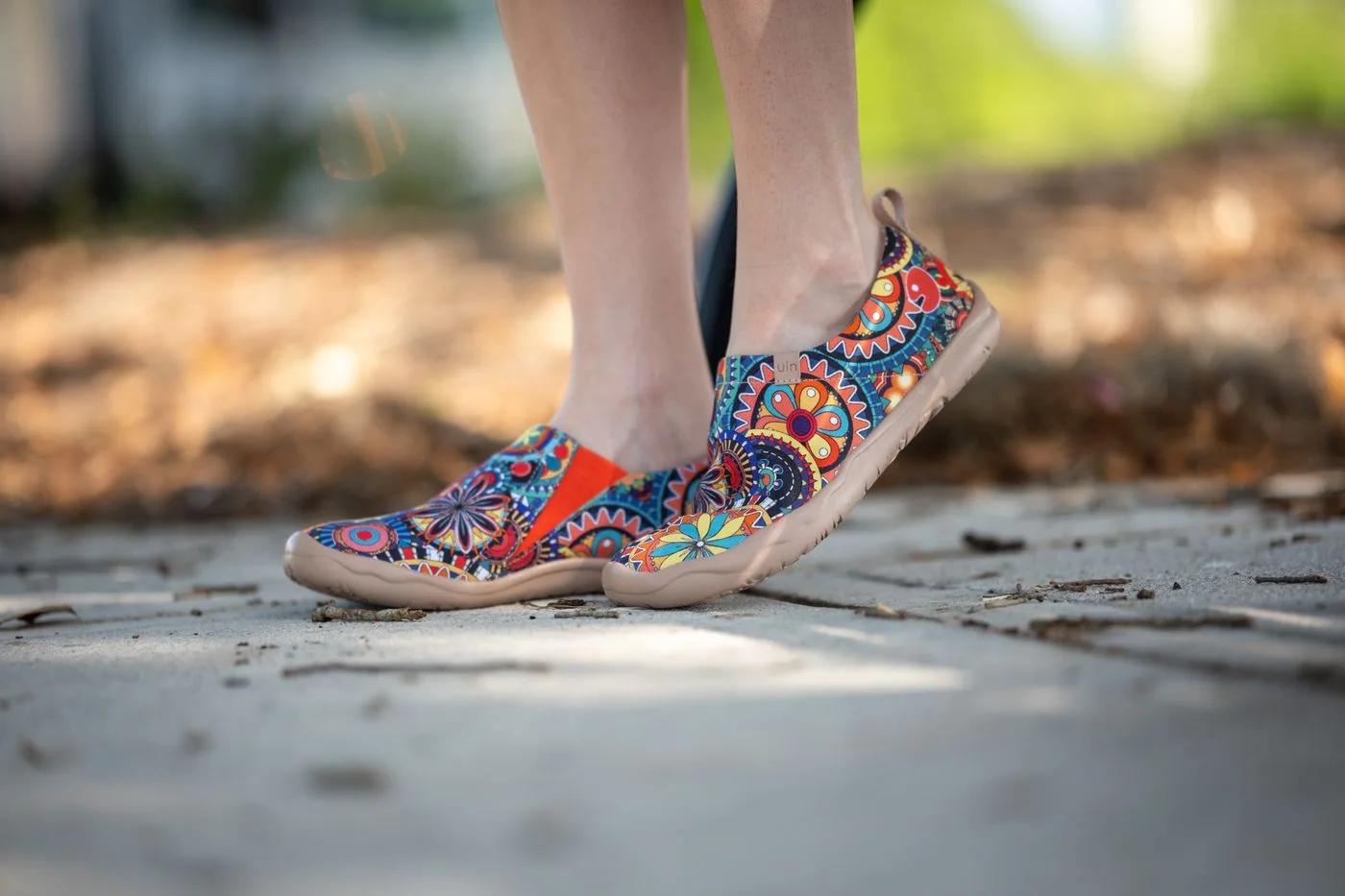
A detail photograph from a trip often succeeds or fails through its background. A patterned shoe, a piece of luggage or a small object can be visually clear while its surroundings compete for attention. Decide what the image should show before moving the subject or changing the way you stand.
Give the detail a role
Ask why you want this photograph in the travel story. It might record an outfit worn during the day, a texture noticed on a walk or an object whose identity matters to a memory. A specific purpose makes it easier to choose what belongs around it instead of collecting close-ups without a reason.
The travel photo-story sequence guide helps connect the detail to wider scenes. A close image can add variety when it has a relationship to the day, rather than interrupting the sequence simply because a bright object was available.
Read the background before the subject moves
Look behind and around the detail: pavement lines, bright colours, signs, bags and other people's belongings can all enter the image. Decide which support the intended idea. The simplest change may be the direction you face or the framing, not moving the object into an unrelated location.
Use only an appropriate permitted position, respecting the place's rules and ordinary routes. Do not place luggage across a path, handle someone else's property or choose an unsafe position for a cleaner background. If the setting cannot support the image appropriately, another detail or another moment can serve the story.
Compare two deliberate frames
Make a broad version that keeps useful context and a closer version that isolates the chosen feature, where doing so is appropriate. Compare the results for the purpose you named. The wider frame may explain the outing better; the closer one may communicate a pattern more clearly. Neither is automatically superior.
The phone travel-photography guide offers related questions using equipment already carried. Keep this exercise focused on selection: identify what changes between the frames instead of assuming another device or a more complicated process is needed.
Keep the meaning accurate
Do not arrange a detail so that the caption implies an event or experience that did not occur. A shoe photographed during a pause does not prove a route's conditions or the product's performance. Describe the image through what you actually know rather than turning an attractive close-up into a review.
Afterwards, keep the frame that best serves the story and note what the background contributes. If both versions feel cluttered, reconsider the subject's role before attempting more edits. A deliberate background helps a travel detail become understandable, with the surrounding place contributing only the context you genuinely want the photograph to convey.
Compare the image edges before making the final selection. A cut-off bag or an unexplained fragment of a sign can change the impression even when the central detail remains identical, so include the whole frame in the review.