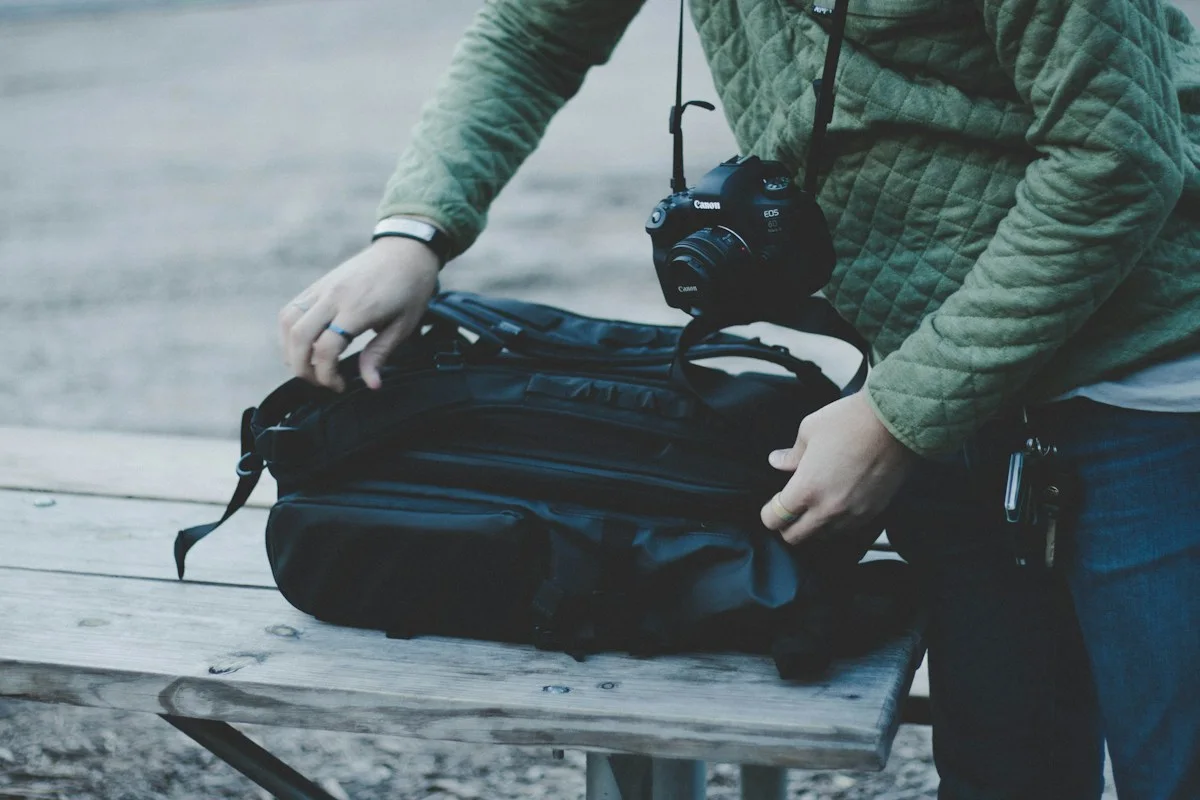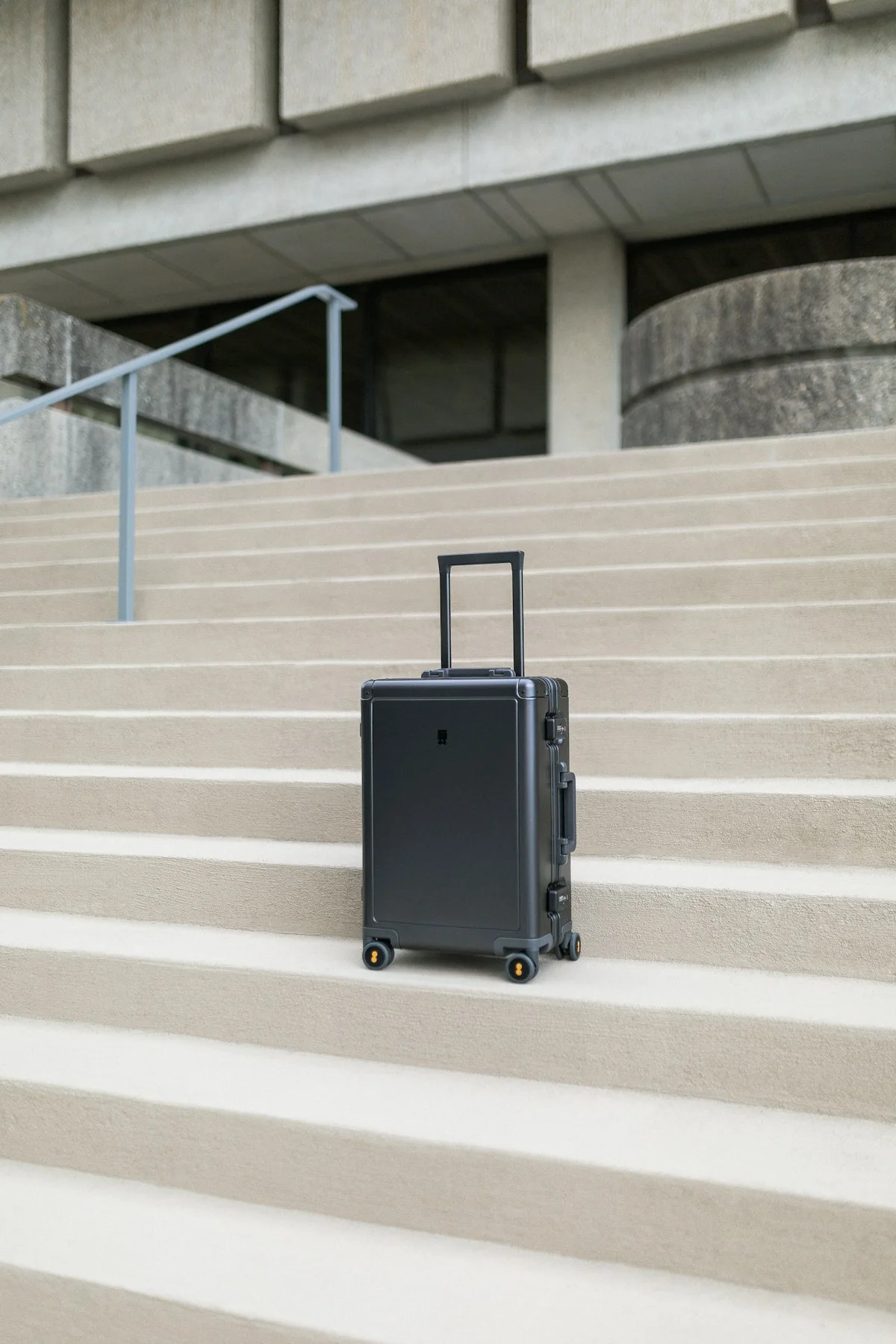
A journey with train changes is not one continuous period of sitting down. It includes getting to the platform, finding the right place to wait, lifting or rolling the bag, boarding and settling again. The most useful packing choices support those moments rather than simply maximizing the suitcase's capacity.
Begin with the journey you have actually booked. Check the current operator information for luggage and the stations involved, because arrangements vary. This guide is about a personal handling routine, not a statement of railway rules. A manageable load and a predictable place for essentials can make the changes feel less complicated.
Test the complete load before leaving
Pack the bag, add the day bag and wear the outer layer you expect to carry. Move the whole setup a short distance and notice which hand is free. Can you pause, reach a necessary item and begin moving again without putting everything down? If the answer depends on a second person holding half the load, recognize that reliance while you can still simplify it.
Use a safe, ordinary handling test rather than attempting anything strenuous or awkward. The point is to notice balance, access and volume. A bag that closes successfully is not automatically comfortable to handle through several changes. Remove the least useful extras before looking for more straps, hooks or external pockets to accommodate them.
Give moving essentials one consistent place
Keep the things needed during transfers in a predictable, appropriately secure location. Do not distribute them among several pockets simply because each pocket is available. The exact contents will depend on your booking and personal needs, but the retrieval routine should be clear enough that you do not repeatedly open the main suitcase.
Think about the return to a seat too. A small pouch can gather the things you use while seated so they do not spread across a table and nearby pockets. Before each arrival, collect them deliberately. The less you unpack between changes, the less you have to remember when it is time to move again.
Separate food, layers and the main packing
Group the items you may use during the journey without pressing them against clothing you want to keep clean and dry. Food containers need appropriate closure and handling. A spare layer should be reachable without disturbing the rest of the bag. Avoid balancing loose belongings on top of a suitcase where they can shift as you move.
For a trip involving several nights, you do not need the whole wardrobe available in transit. Keep the journey contents distinct from the accommodation contents. Our packing collection includes ways to organize by use rather than by the number of pouches you can fit into a case.
Make the pause before changing trains deliberate
Allow time before arrival to put away anything you have been using. Check the immediate seating area, gather the outer layer and make sure the load is ready to move. This is easier than making packing decisions while other people are also trying to leave. Follow current announcements and station information for the actual journey.
When traveling with another person, agree on how you will move together without blocking others. Each traveler should know which belongings they are carrying. Keep the arrangement simple enough to use if the platform or boarding situation differs from what you expected. A clear division works better than a last-second exchange of bags and loose accessories.
Choose accommodation with the arrival in mind
The handling task continues after the final train. Look at the last approach to the room and check relevant access information. A short-looking walk may involve a carrying task you did not anticipate. This does not mean that every property needs to be beside a station; it means the location should fit the load and routine you are willing to manage.
Our hotel advice considers practical arrival details alongside the appeal of the room. When you reach the accommodation, unpack the transit pouch first, reset it for the next journey and then deal with the main bag. That keeps a useful routine ready instead of rebuilding it from scratch before every departure.
- Check operator and station information for your actual booking.
- Test all bags together, not one at a time.
- Keep transfer essentials consistently accessible.
- Collect seated belongings before arrival.
- Understand the final route to the accommodation.
Does a transfer journey require a backpack?
No single bag type suits everyone. Compare the surfaces, handling and carrying preferences involved, and choose what you can manage comfortably.
What is the easiest packing improvement?
Remove the item that repeatedly has no secure place while you are moving. Loose extras often create more work than their size suggests.
Keep an uncomplicated fallback if a companion cannot carry a shared item at a particular moment. A sensible load should not depend on an elaborate sequence of handovers. Each traveler knowing their own bag and the agreed meeting point makes a changing journey easier to manage.