
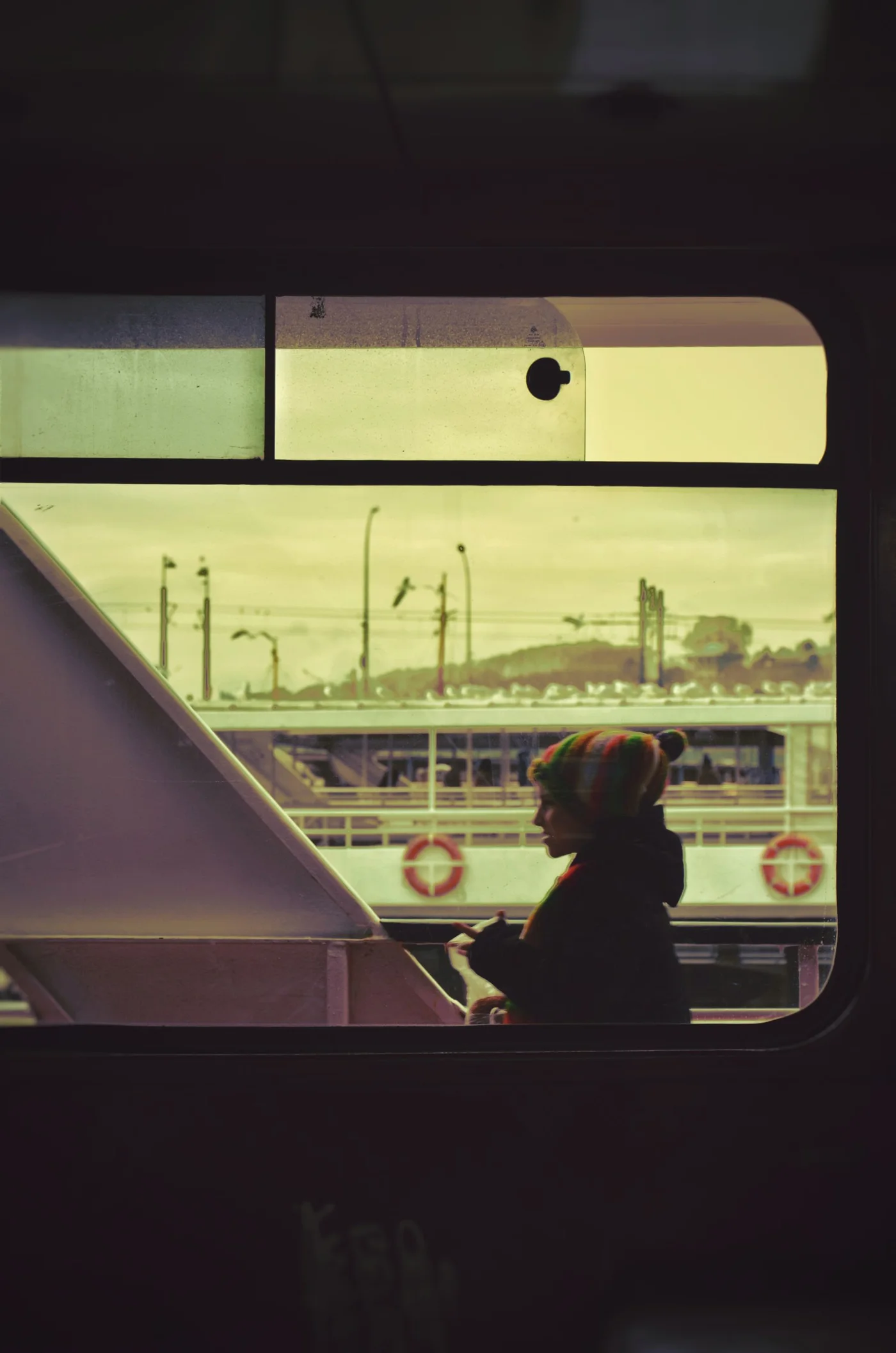
A terminal wait offers repeating shapes, changing light and small movements that can make a worthwhile photography exercise. It also contains passengers, security-sensitive areas and a working transport system. Choose a modest visual subject and photograph only where permitted, without making the wait revolve around other people's movements.
Start with the rules and the space
Check the terminal's current photography restrictions and follow staff instructions. Some areas or subjects may be restricted even when ordinary snapshots elsewhere are allowed. Do not infer permission from seeing another person with a camera. If the rules are unclear, ask or choose a different activity.
Find a suitable position where you can remain clear of circulation routes and keep control of belongings. A seat with a view may work better than standing at a busy window. Keep boarding information accessible and avoid becoming so absorbed in a frame that you miss the practical purpose of being there.
Give the exercise one subject
Choose a visual idea such as window geometry, reflections or the contrast between indoor and outdoor light. Make a small group of pictures exploring that idea rather than photographing every object nearby. The travel photo story guide can help you select images that relate to one another.
A terminal window can produce silhouettes or reflections depending on the light. Describe the scene accurately if you later share it. A photograph through glass may show a view beyond the building without establishing that you visited the place visible in the distance. Keep the caption tied to your actual position and observation.
Respect people within the frame
Avoid treating strangers as convenient subjects simply because they are waiting in public. Seek appropriate permission for a deliberate portrait and respect a refusal. Be particularly considerate around children, personal documents and screens displaying private information. The portrait permission guide offers a more deliberate approach when a person is central to the photograph.
If the visual idea works without an identifiable person, change the framing. Architecture, light and your own travelling possessions may provide enough material. Do not move someone else's belongings or ask them to leave a useful seat merely to simplify the composition.
End with a small selection
Stop in time to return equipment securely to the bag and check the next journey step. Review the pictures later rather than editing through every announcement. Choose a few frames that explain the exercise, including any limitations imposed by glass, reflections or the permitted viewpoint.
What if no interesting photograph appears? The wait can remain a wait. Observing the light or noticing how the space works still develops attention without requiring a publishable result. A modest exercise succeeds when it fits the setting and leaves you ready for boarding, rather than producing an image at the expense of the journey or someone else's comfort.


