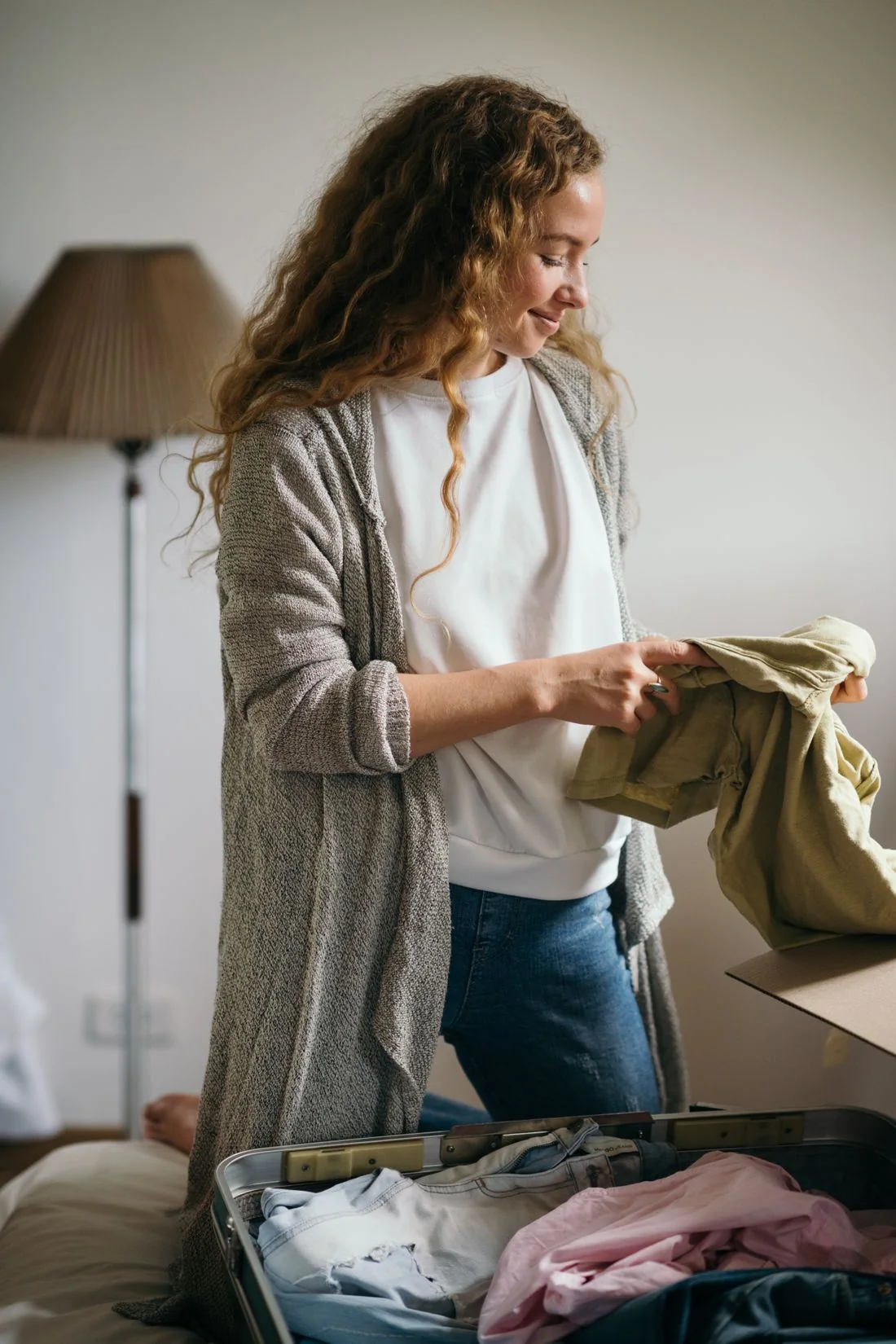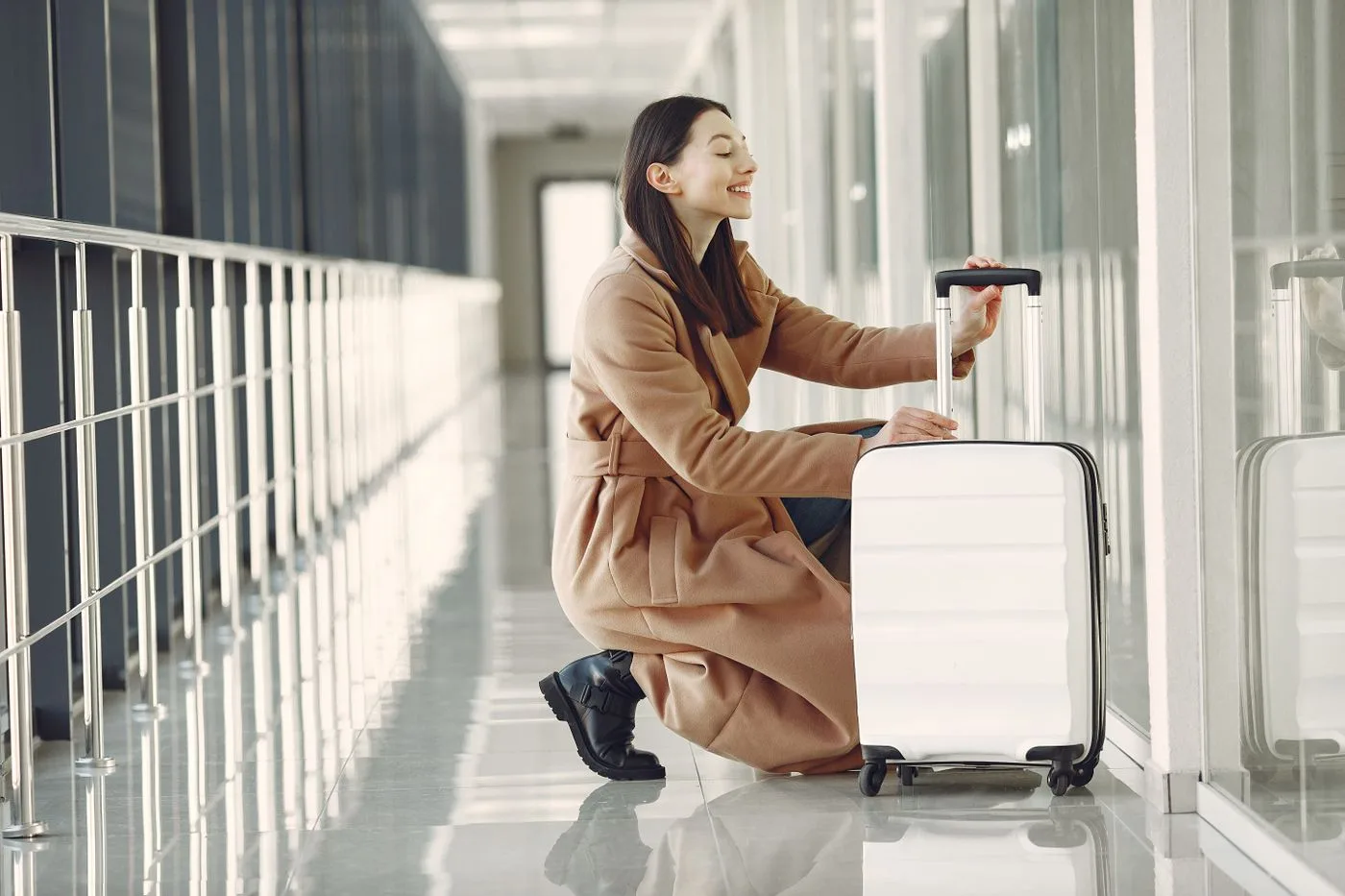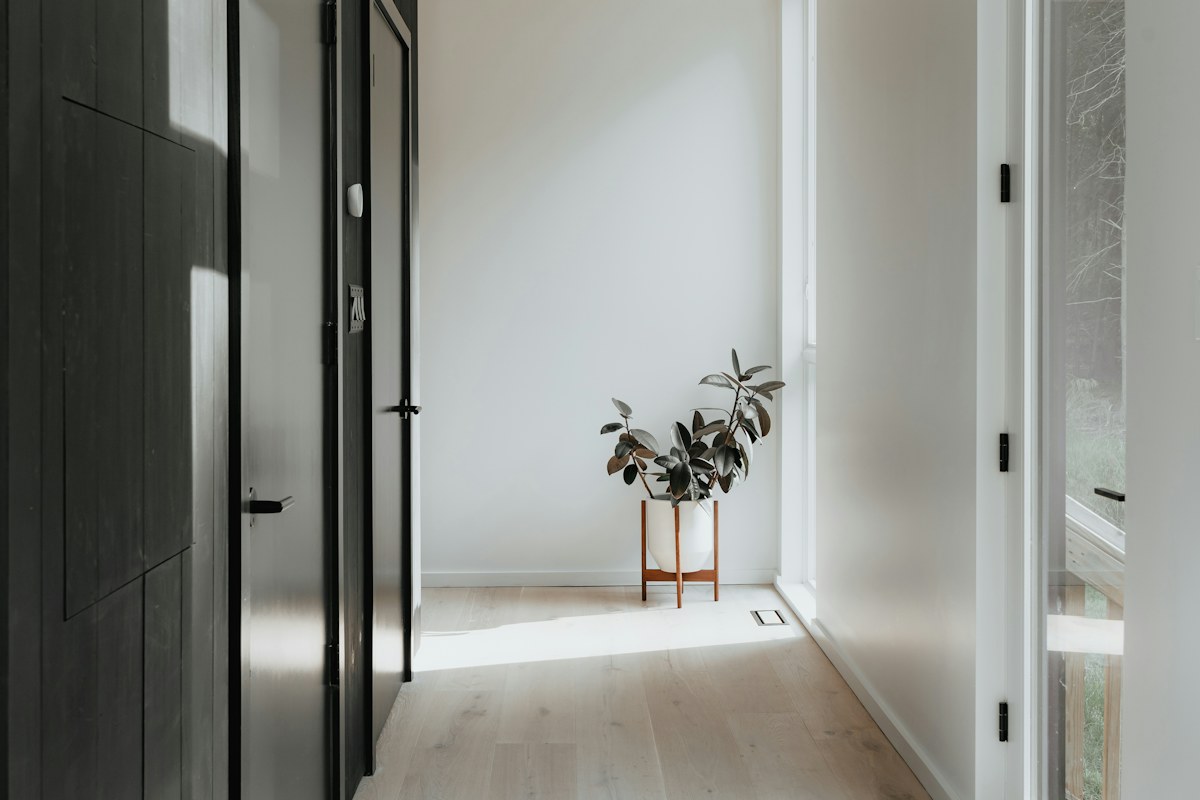
An accommodation photograph can show the atmosphere of a room while also revealing details you did not intend to share. Before publishing it or sending it to a large group, review what appears around the main subject. The aim is to share the interior you meant to show, with a conscious choice about the information attached to it. A pleasing composition is only one part of that decision.
Decide who needs the photograph
A private image sent to a provider about an issue serves a different purpose from a public travel post. Establish the audience first. The provider may need a clear view of a particular feature; a wider audience rarely needs the contents of your desk or the reference on your paperwork.
Check any applicable photography requirements for the place, and respect other people’s privacy. A room you are using is not permission to include another guest’s belongings or an identifiable person in a shared area. If you cannot make the image without intruding, choose a different subject.
Read the frame around the subject
Review the edges and background as carefully as the sofa, window or doorway that caught your attention. Look for booking paperwork, screens, name labels and details connected to your current arrangements. Check reflective surfaces too; a mirror can include a part of the room that the direct view seems to exclude.
Instead of photographing your belongings and trying to correct everything afterwards, put away what should remain private before making the image. Do not move or cover the property’s equipment or anyone else’s possessions to achieve a cleaner view. A different viewpoint may be enough.
Separate the image from the caption
An uncluttered photograph can still acquire unnecessary detail through its caption. Describe what you meant to share rather than automatically adding your exact room reference or current movements. If location is relevant to a later account, decide deliberately how much context the account needs.
Keep facts about the property within what you can establish. A quiet-looking corridor does not prove that a whole building was empty, and an attractive room photograph does not confirm a feature for every booking. The boutique hotel booking checklist addresses the questions to verify separately.
Review the final version
Look at the actual image and text you intend to share, not only the earlier view through the camera. Check whether a selected sequence accidentally adds information that a single photograph did not reveal. You can leave a photograph out even if it is technically successful.
For a more deliberate visual account, the travel photo story sequence helps you choose what each image contributes. A view of light on a wall or the relationship between a chair and a window may tell the interior story perfectly well without making your personal arrangements part of it.