A city can offer more photographic possibilities than a short trip can comfortably hold. The temptation is to save a long list of viewpoints, then spend the day moving between them while watching the light and the clock. A more satisfying approach is to choose one manageable walk and give yourself time to notice what happens along it.
This is a planning exercise rather than a promise of particular photographs. Spring conditions, street activity and your own interests will change the route. Start with a small area, a simple carrying setup and a willingness to return with a few considered images instead of a record of every famous corner.
Give the walk a beginning and an end
Choose a starting point that is easy to reach and a finish that leads naturally to a meal, a break or the journey back to your room. A route with no clear ending can expand until everyone is tired. Draw a rough line through a few connected streets rather than linking distant attractions simply because they look close on a small screen.
Include places where you can pause without obstructing others. A photograph is not a reason to block an entrance or stand in a busy route. Observe local signs, respect private spaces and change position when necessary. If the walk depends on access to a particular venue, check its current arrangements directly rather than assuming that every attractive courtyard is open to visitors.

Choose a small visual question
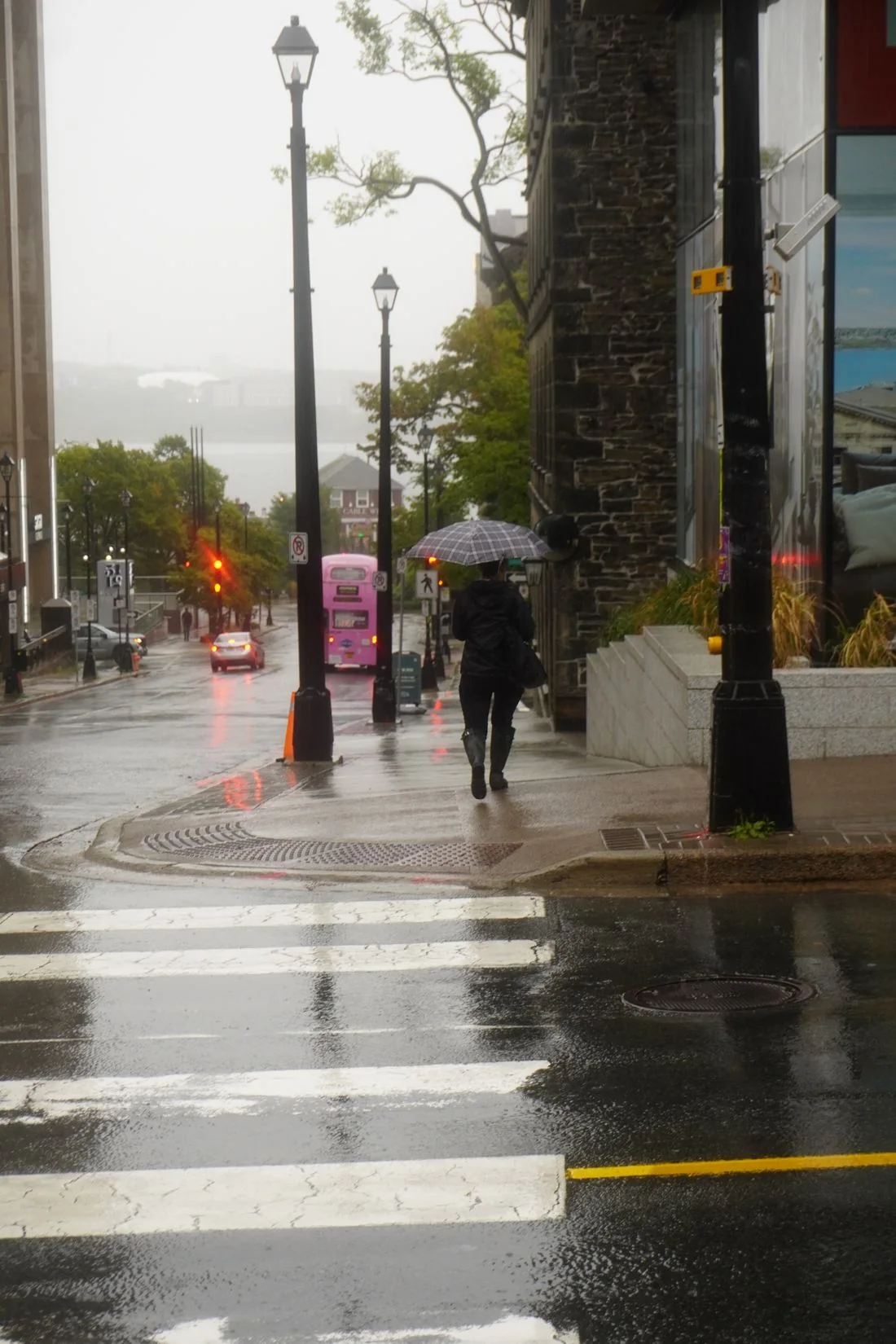
Give yourself one thing to notice: repeated colors, the relationship between old and new buildings, small shop details or reflections after rain. This does not prevent other pictures. It gives your attention somewhere useful to return when the city becomes visually overwhelming. A modest theme can connect photographs that would otherwise feel like unrelated stops.
Try a wider view, a closer detail and a different angle of the same subject before moving on. You may find that changing your position gives a more interesting result than searching for another landmark. Avoid making the walk an endless sequence of nearly identical frames. Leave time to look at the scene without a device in front of you.
Let light influence the route without controlling the holiday
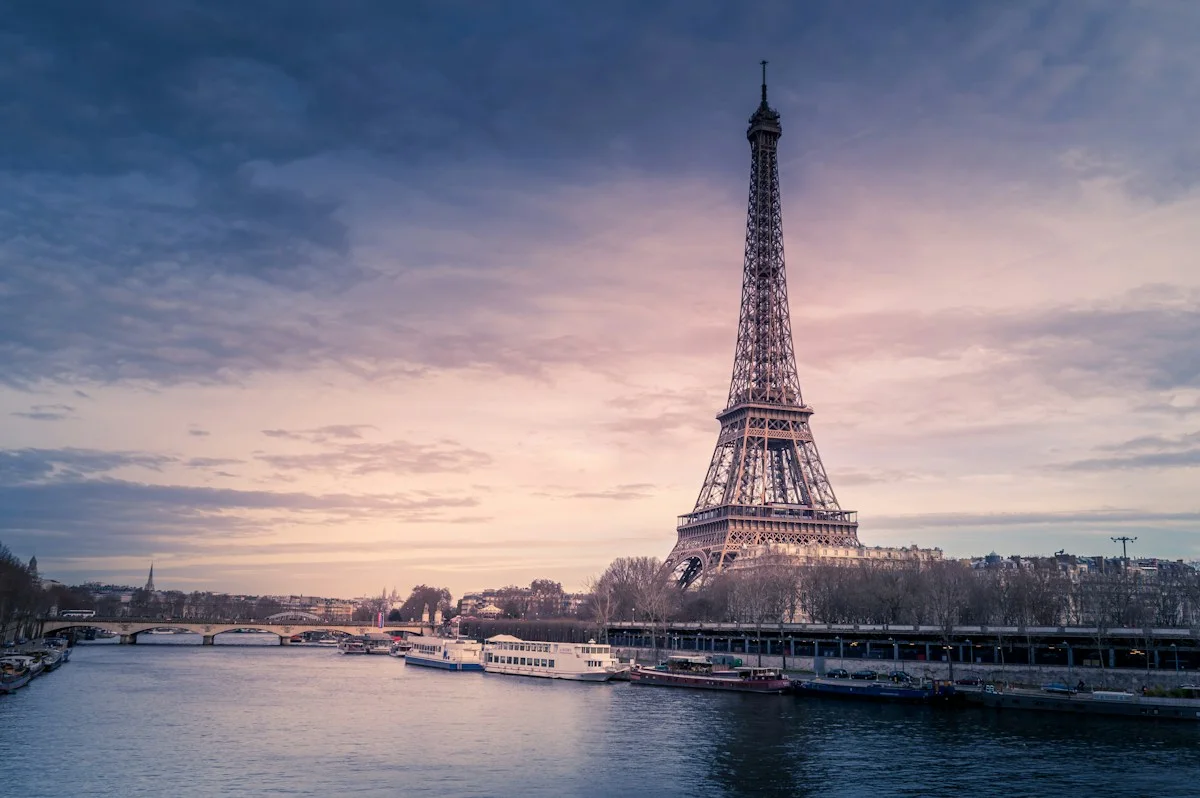
Notice where the light falls when you arrive and adjust the order of nearby streets if it helps. A bright background, deep shade or reflective surface may invite a different approach. You do not need a precise prediction for every minute to make a useful observation in the moment. If a scene is difficult, move a little, simplify it or save it for another time.
A short trip also belongs to the people traveling with you. Agree on one part of the day for deliberate photography, then allow the rest to move at an ordinary pace. Our destination planning collection favors realistic routes and room for pauses. That approach leaves more attention for the pictures you do choose to make.
Carry for the walk, not the equipment collection
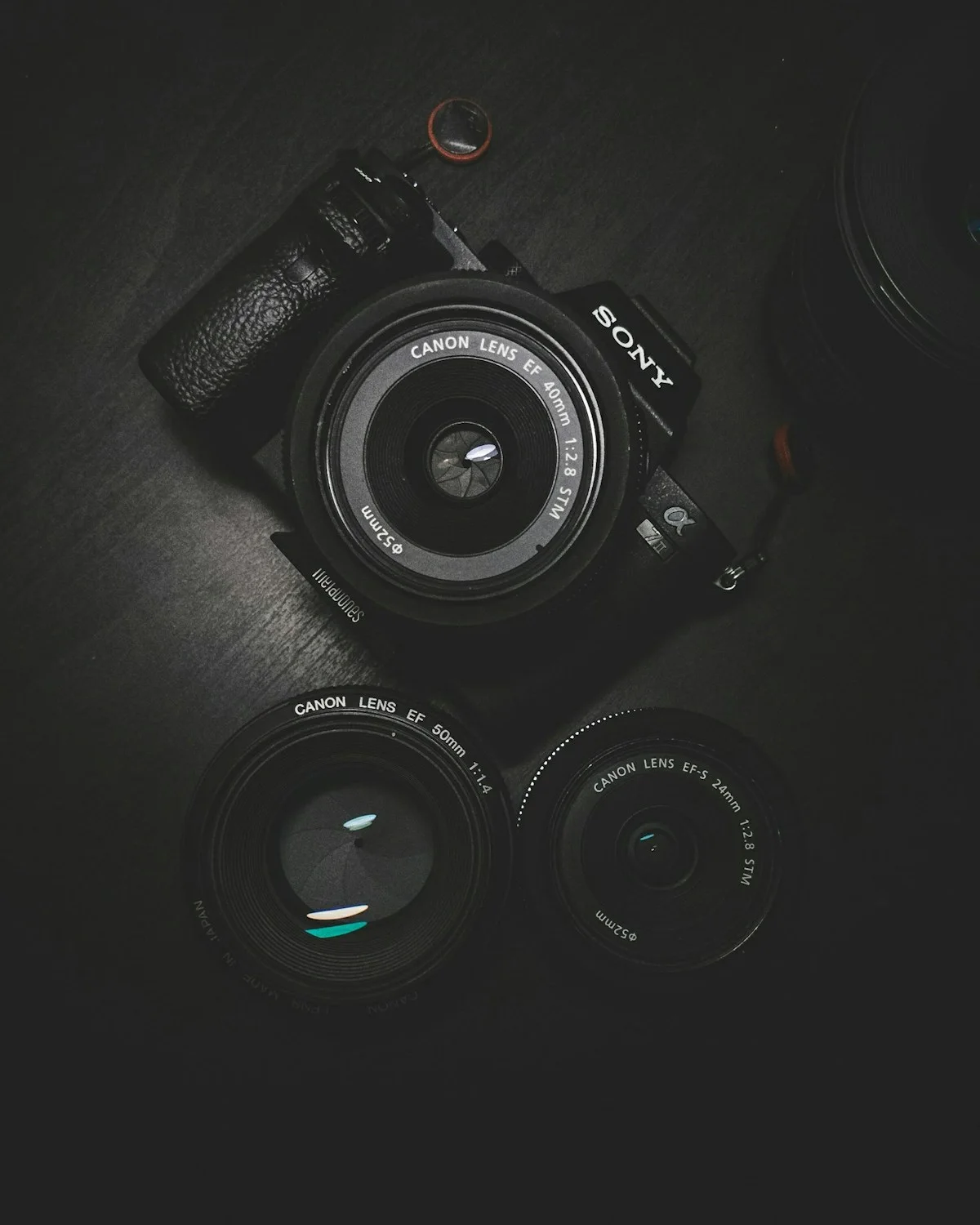
Choose the camera or phone you are comfortable using and bring the accessories with a clear role. If an extra lens or support will remain in the bag because you do not want to stop and use it, reconsider carrying it. A familiar setup can leave more attention for framing, timing and the route ahead.
Before leaving, check available storage and the equipment's normal operating needs. Keep a practical way to protect it when it is not in use, and avoid balancing it loosely among drinks and other contents. There is no need to buy a new bag solely for one afternoon if your existing arrangement is suitable. Our travel gear guides start with the actual task rather than the longest feature list.
Finish with a short review, not a second expedition
Over a break or back at the room, look through a small selection of images. Identify what interested you and which viewpoint you might approach differently next time. Resist the urge to rush back across the city merely because one frame was not perfect. The review can help you learn without turning the rest of the stay into a correction session.
- Keep a few images that describe the place in different ways.
- Note the small route or timing decision that helped.
- Check that your files are stored as intended before clearing anything.
- Put the equipment away when the planned photo time ends.
Does the route need a famous view?
No. A thoughtful sequence of ordinary streets can describe a trip more personally than a crowded viewpoint you visited only because it was on a list.
What if the weather changes?
Shorten the walk, choose a suitable alternative and protect equipment according to its instructions. A change of plan is not a failed photography day; it is part of traveling in a real place.