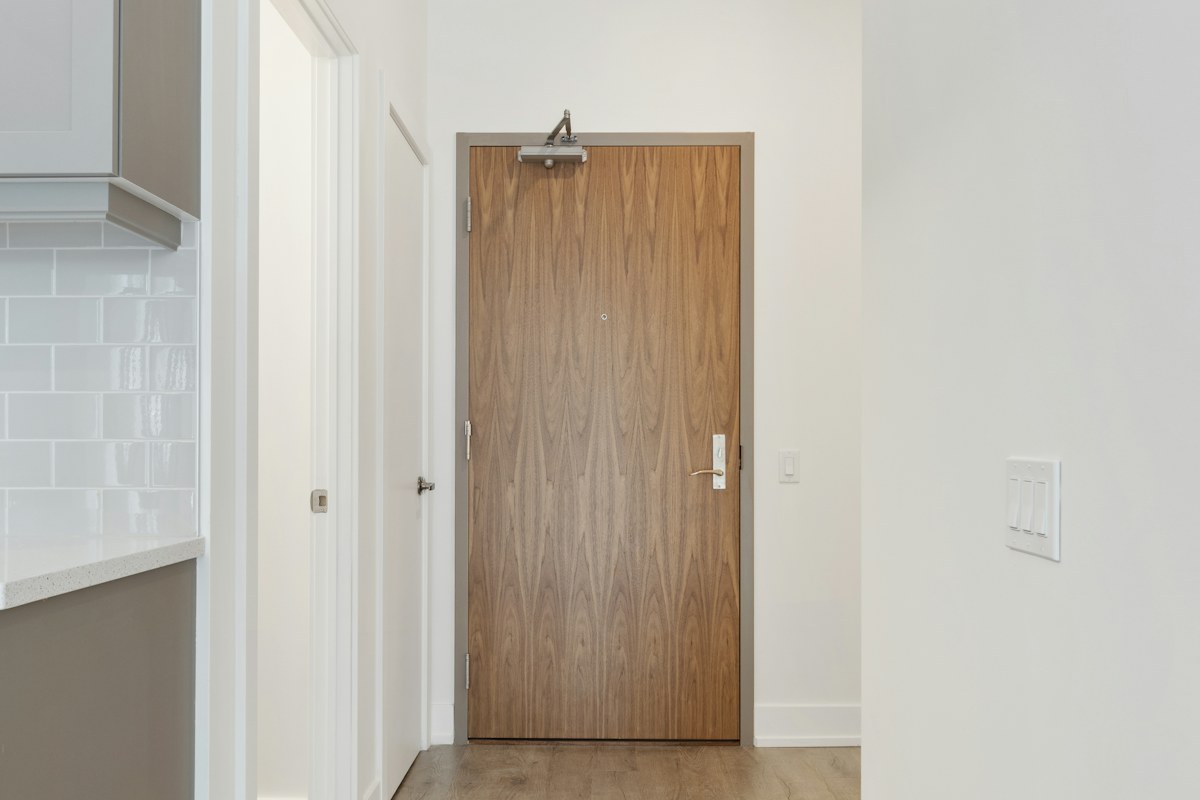
A room reference can be useful when several corridors or similar doors make a stay unfamiliar. That practical need does not mean a public photograph of the door is the best reminder. Choose a private, clear reference that follows the provider’s instructions and gives you the information you actually need. Keep the task of finding your room separate from the task of sharing travel photographs.
Use the supplied reference first
Read the information the provider has given you about the booking and access. A label in your own notes should correspond to that information rather than replace it with an improvised description such as “the pretty wooden door.” Decorative features can repeat throughout a building and may not identify the place you intend.
If the supplied directions are unclear, ask the provider to clarify them. Avoid using another guest’s movements as your navigation method. Knowing which door someone else used does not establish that you have found your own room or that you should enter a particular area.
Make the note serve one purpose
Keep the room reference with the private stay information you already use, in a format you can understand. Record the relevant wording accurately. Do not put access instructions into a casual public caption merely because you also took a photograph of the corridor.
A small private reminder may be enough. There is no benefit in building a separate set of photographs, nicknames and handwritten guesses that disagree with one another. If the provider changes the assigned room or instructions, update the reference you intend to use and distinguish it from the old information.
Treat a door photograph cautiously
If you consider making a reference photograph, respect the property’s requirements and avoid including other people or their belongings. Think about where that image will be seen and whether the same purpose could be met without making it. An image that helps with a private task does not automatically belong in a shared travel album.
The late arrival checklist covers a wider preparation task. A room reminder comes after you understand the actual arrival and access arrangement; it should not be used to fill a gap in that understanding.
Keep uncertainty visible
If you are unsure whether a door, floor or route is correct, pause and seek help through the provider’s established contact method. A confident-looking note does not make an uncertain identification reliable. Describe the reference you were given and the particular point where the directions stopped making sense.
For future accommodation choices, the room access questions offer another planning perspective. During this stay, the useful outcome is modest: one clear private reference, consistent with the provider’s information, that helps you find the correct room without turning personal arrangements into public travel content.