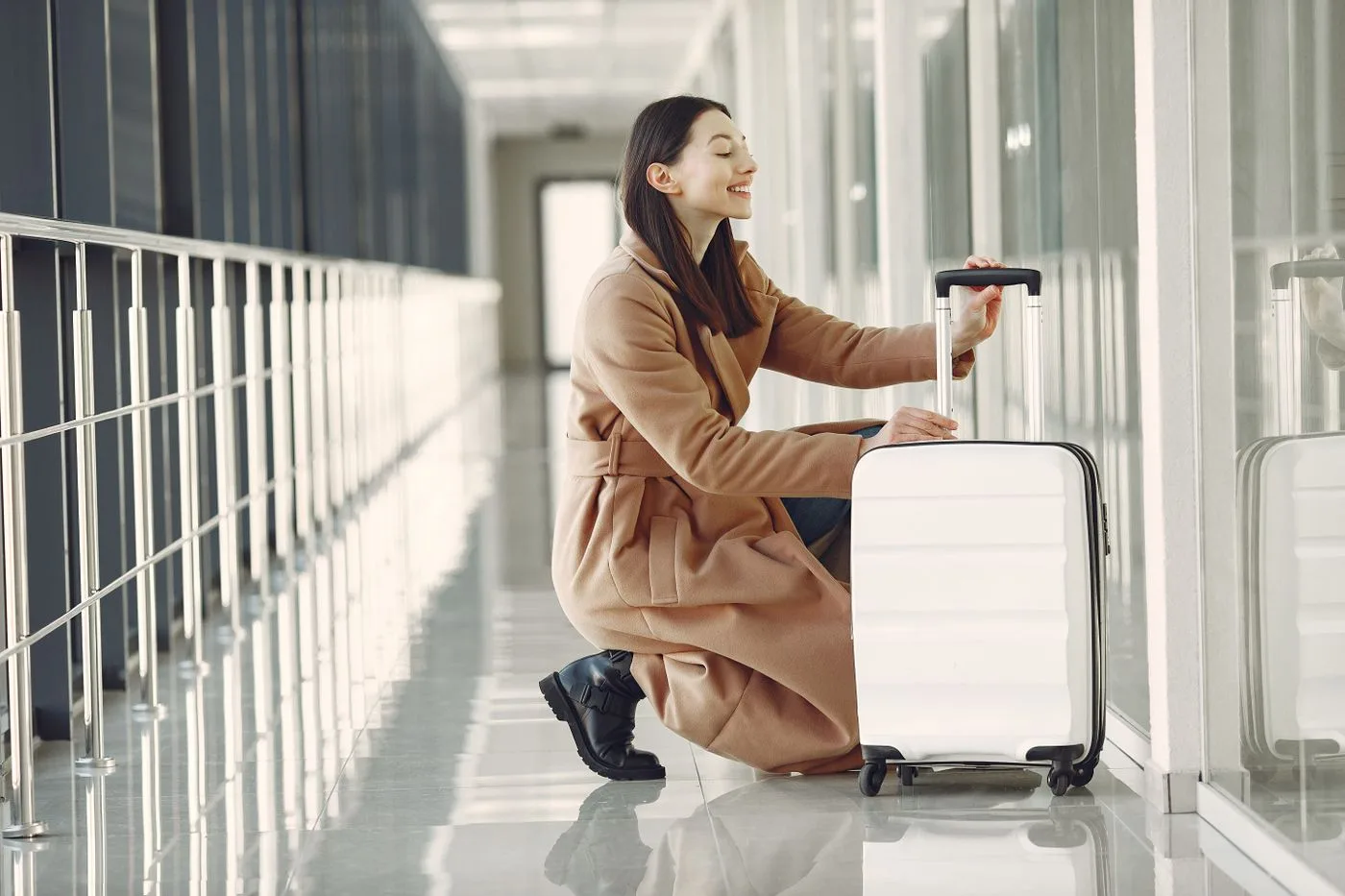
A family hotel room does not become easier to share just because every suitcase fits through the door. Shoes gather beside the entrance, a charging cable disappears behind a bed and the bathroom shelf slowly acquires objects nobody claims. A few clear places for belongings can prevent that drift without turning the room into a set of rules.
Think of a short stay with several people and different daily routines. The goal is not to unpack every possession. It is to give the things used most often an obvious home, while leaving enough clear space to move, dress and relax. The best arrangement is usually the one everyone can remember after a long day out.
Start with the surfaces you actually have
Before opening the bags, look around together. Identify a useful luggage surface, a place for outdoor shoes and a dry location for everyday essentials. Notice which areas need to remain clear. A chair that looks spare may be someone's only practical dressing space; the bedside table may already need to hold glasses and a book.
Keep the first arrangement modest. One bag can remain mostly packed while another opens fully if that suits the occupants. Equal space does not always mean identical treatment of each suitcase. Compare the room with the activities planned for the stay, and revisit the setup if an apparently convenient spot becomes an obstacle.

Separate personal space from shared equipment
Give each traveler a small, recognizable area for personal items. This might be a section of a shelf, one packing cube or a particular pouch. A defined boundary makes it easier to put something away without asking who owns every object. It also reduces the temptation to move another person's belongings to create temporary room.
Shared items need a different home. A family brush, a common map or a jointly used cable should be placed where the people who need it can find it. Avoid storing shared equipment at the bottom of one person's tightly packed suitcase. Our packing advice starts with access and everyday use rather than treating every bag as an independent world.
Give the bathroom a simple rhythm
A narrow basin edge is a poor long-term home for several open toiletry bags. Take in what is needed for the current routine, then return it to the agreed personal area. Keep items that must remain dry away from splashes, and distinguish clean clothing from the things waiting to be washed or repacked.
Discuss the order of use before a morning departure, especially if one person needs longer than the others. A clear mirror elsewhere in the room may support part of the routine, but do not assume everyone is comfortable doing everything in a shared space. The purpose of zoning is consideration, not requiring people to abandon ordinary privacy.
Create an arrival pocket and a departure pocket
The things carried outside deserve a place to land. Choose one recognizable spot for room access items and the small objects needed on the next outing. Each person can check this area before leaving rather than looking across beds and drawers. Keep valuables managed according to your own arrangements; a communal landing space should not become a reason to leave important items unattended.
For departure, gather items that are already ready to go. An unused scarf or a spare pair of shoes can return to the correct bag the evening before checkout. This is different from packing everything too early. It simply removes possessions with no remaining purpose in the room from the final morning's search.
Allow the room to change during the stay
A useful layout on arrival may stop working after a day at the beach or a wet afternoon outside. Make room for the actual condition of your belongings rather than forcing damp and dry items into the same original plan. Follow the accommodation's guidance about where things can be placed, and avoid spreading them over furniture needed by someone else.
A short reset before dinner often matters more than a complicated organizational system. Return personal objects to their places, clear the shared surfaces and decide what tomorrow requires. You do not need new equipment for this. Existing bags and an agreed routine may do more than another set of matching storage accessories.
Finish with a room-by-room check
Assign the final check by area rather than assuming everybody will notice everything. One person can look at the bathroom, another at shelves and another around luggage surfaces. Check the places you used as well as the ones you intended to use. A quiet corner can accumulate belongings precisely because it was outside the original plan.
After the trip, remember which zones worked and which only looked tidy. If an item was repeatedly difficult to find, improve its location next time before buying a different organizer. The most helpful hotel routines are simple enough to survive tired arrivals and busy mornings, while leaving the room feeling like a place to stay rather than a storage problem.