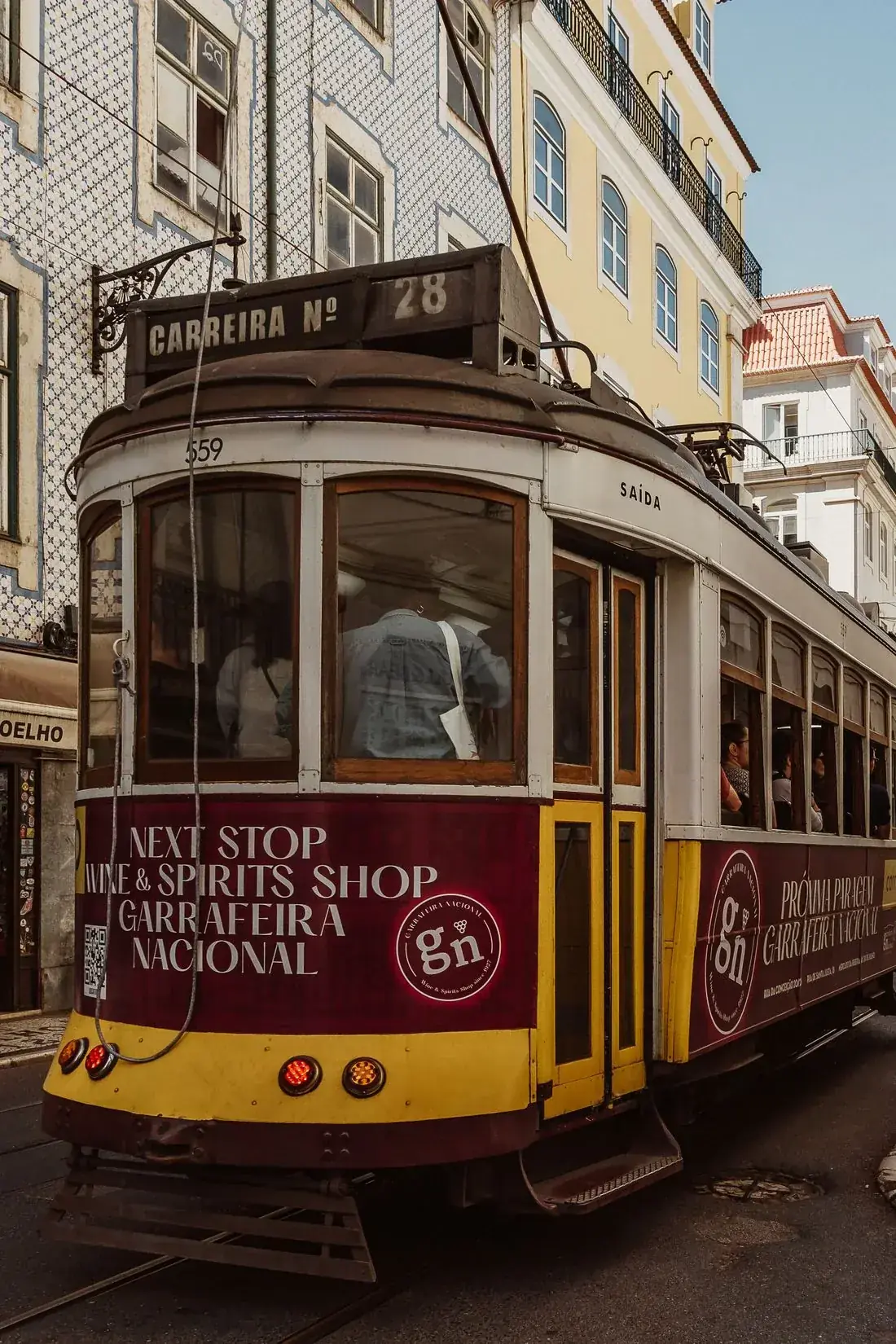
A historic tram image can make a city journey feel tangible before any route has been chosen. Keep that image as a visual reference while planning the actual transport separately. A sign visible in a photograph records part of the pictured scene; it does not confirm the route, ticket arrangement or service available for your intended day. The distinction lets the image inspire the trip without quietly becoming its operating instructions.
Describe what interests you
Perhaps you notice the curved windows, the colour of the body or the contrast between the tram and the street around it. Write that interest down in your own words. It can become a reason to look carefully at transport design during the visit, even if you never travel on the particular vehicle pictured.
Avoid assuming that every historic-looking tram in the city is interchangeable. A familiar appearance does not establish a model, operator or present use. Keep specific identifications within what the actual image source and reliable references support.
Treat the sign as part of the photograph
Read a visible sign accurately if it matters to your account, but do not promote it into a current travel direction. The photograph may have been made at another time or under an arrangement you have not established. A displayed place name does not show the full route or prove that it serves your planned origin and destination.
Keep an unresolved sign as a question rather than translating the whole journey from a cropped image. You can enjoy the lettering and the way it sits in the frame without claiming knowledge of the service behind it.
Plan through the responsible source
For an intended ride, use the actual operator’s official information for the journey you want to make. Establish the relevant route, boarding arrangement and ticket requirements there. Consider the connection between the ride and your day’s other plans instead of choosing a service solely because it resembles a favourite photograph.
The Lisbon itinerary guide can provide a broader context for deciding how transport fits a visit. Keep any practical choice dependent on the current information that applies to your own planned journey.
Allow the image another role
You may decide that the tram photograph belongs in a visual notebook rather than the operational itinerary. That is a useful outcome. The object can prompt an interest in colour, street design or the relationship between vehicles and buildings without producing an obligation to recreate the scene.
The superseded trip plan guide addresses how old information can linger in a plan. An appealing historical image needs a similarly clear boundary: keep the inspiration visible, but let the actual journey depend on established instructions. You can arrive ready to notice the city rather than trying to make today’s service conform to a picture.