
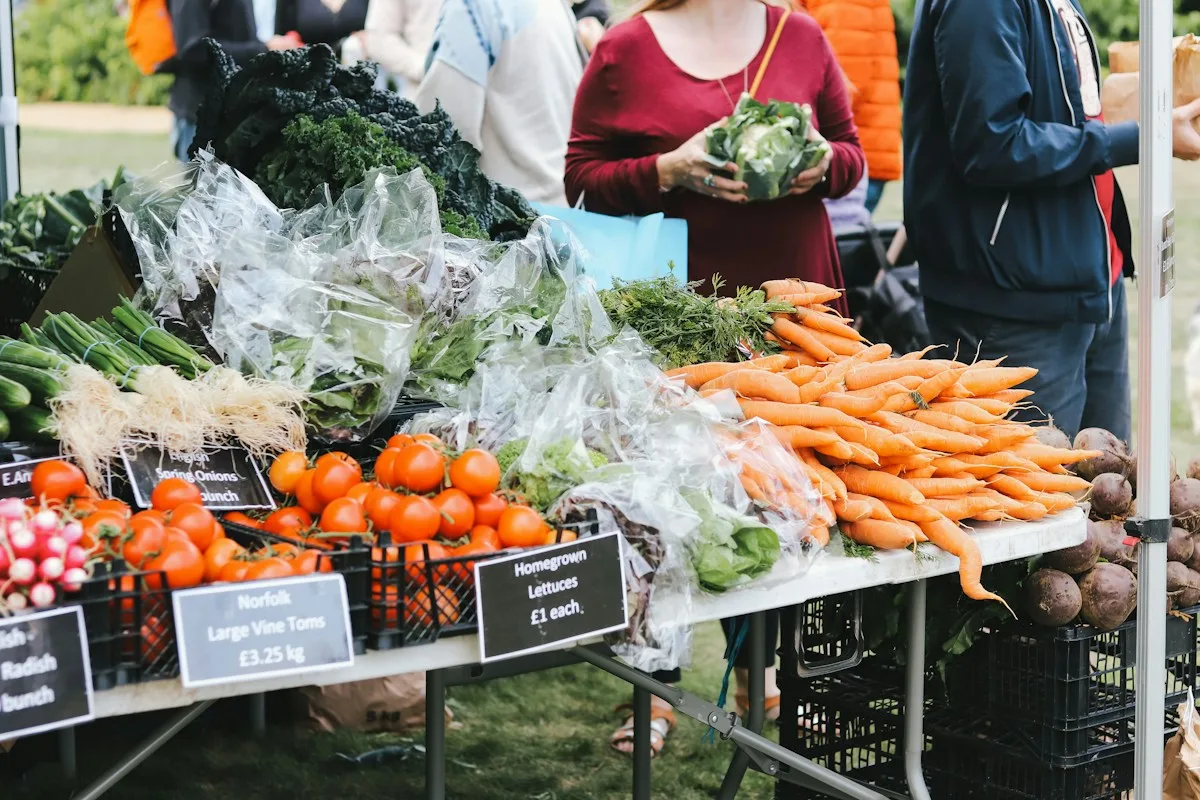
The first shop after arriving at an apartment can become a holiday-sized version of the weekly grocery run. Attractive ingredients and unfamiliar shelves make it easy to buy more than the kitchen or itinerary can use. A short initial list gives you a comfortable first morning while leaving room to discover how you actually want to eat during the stay.
Start with the property's confirmed kitchen facilities and your arrival time. Check what is supplied, what you may use, and any relevant house rules. Do not assume a kitchenette includes an oven, a suitable pan, or basic ingredients. This is a planning guide; follow authoritative local food-safety guidance and product instructions for purchase, storage, and preparation.
Make the first evening easy
Decide whether you truly want to cook immediately after arrival. A simple suitable meal, a confirmed nearby option, or another realistic arrangement may be more pleasant than a complicated first shop. Check current opening information for anything you depend on. A shop shown on a map may not be available at the hour you arrive.
If you do shop that evening, choose enough for the immediate meal and next morning rather than every day of the stay. Travel can change appetite and energy, and the apartment may reveal equipment details you had not anticipated. A modest first purchase leaves space to adjust without wasting a large quantity.
Build one dependable breakfast
Choose a breakfast you enjoy and can prepare with the confirmed equipment. Check labels and relevant dietary needs. Avoid buying several alternatives before knowing the household's morning rhythm. You may discover that some days begin with a café visit and others with an early departure.
Estimate quantities from the number of breakfasts you expect to eat at the accommodation, not simply the number of nights booked. A departure before dawn and a day trip beginning early can reduce that count. Keep storage and use-by information in mind rather than assuming every opened package will last the whole stay.
Check the usable storage
On arrival, inspect the kitchen arrangement and follow the property's instructions for equipment. Confirm that the storage available meets the needs of what you plan to buy. If something essential appears unsuitable, contact the provider rather than improvising around a food-storage problem.
Choose package sizes that suit the stay and the actual facilities. A larger pack can have a lower unit price while costing more overall and leaving unwanted surplus. Compare the useful quantity, not only the shelf label. Pantry items still need appropriate handling and storage according to their information.
Keep one flexible meal in reserve
Choose a familiar simple meal you can prepare from suitable ingredients when plans change. It should use equipment you have verified and food you enjoy. A fallback is useful when it reduces uncertainty; a cupboard full of hypothetical emergency ingredients creates another commitment.
Keep the meal distinct from an ambitious project. A short self-catering stay does not need to reproduce your entire home pantry. Buy specialist ingredients only when you have a clear use and accept the quantity. The destination can remain part of the pleasure without making every dinner a complicated cooking experiment.
Shop around the day's route
Locate a practical shop using current reliable information and think about carrying purchases back. Stairs, distance, weather, and the rest of your luggage matter. Use suitable bags and follow food-handling guidance, including any temperature-control needs. Do not buy more than you can transport appropriately because a larger basket is available.
If traveling with another person, agree the list and spending before shopping. Different appetites or preferences can be handled through a shared base and modest additions. Avoid making one person's ideal breakfast the unspoken household plan. Clear choices reduce duplicate purchases and unwanted food.
Plan the final cupboard check
As departure approaches, review remaining ingredients and choose meals that use suitable items realistically. Follow safe handling guidance rather than trying to consume everything regardless of condition. Check property rules before leaving food behind; another guest or host is not automatically willing or able to use it.
Should I bring ingredients from home? Check transport rules, storage needs, and whether they genuinely reduce effort. Is self-catering always cheaper? Compare facilities, portions, shopping, and how often you will cook. What if the kitchen is less equipped than expected? Contact the provider and adjust to a suitable simple arrangement rather than buying a full set of cookware.
Our hotel location guide helps compare the base with everyday errands. The seven-day carry-on plan keeps luggage manageable alongside purchases. A good first shop supports the stay without deciding the entire holiday's meals in advance.
Food-handling reference: FDA Safe Food Handling.


