
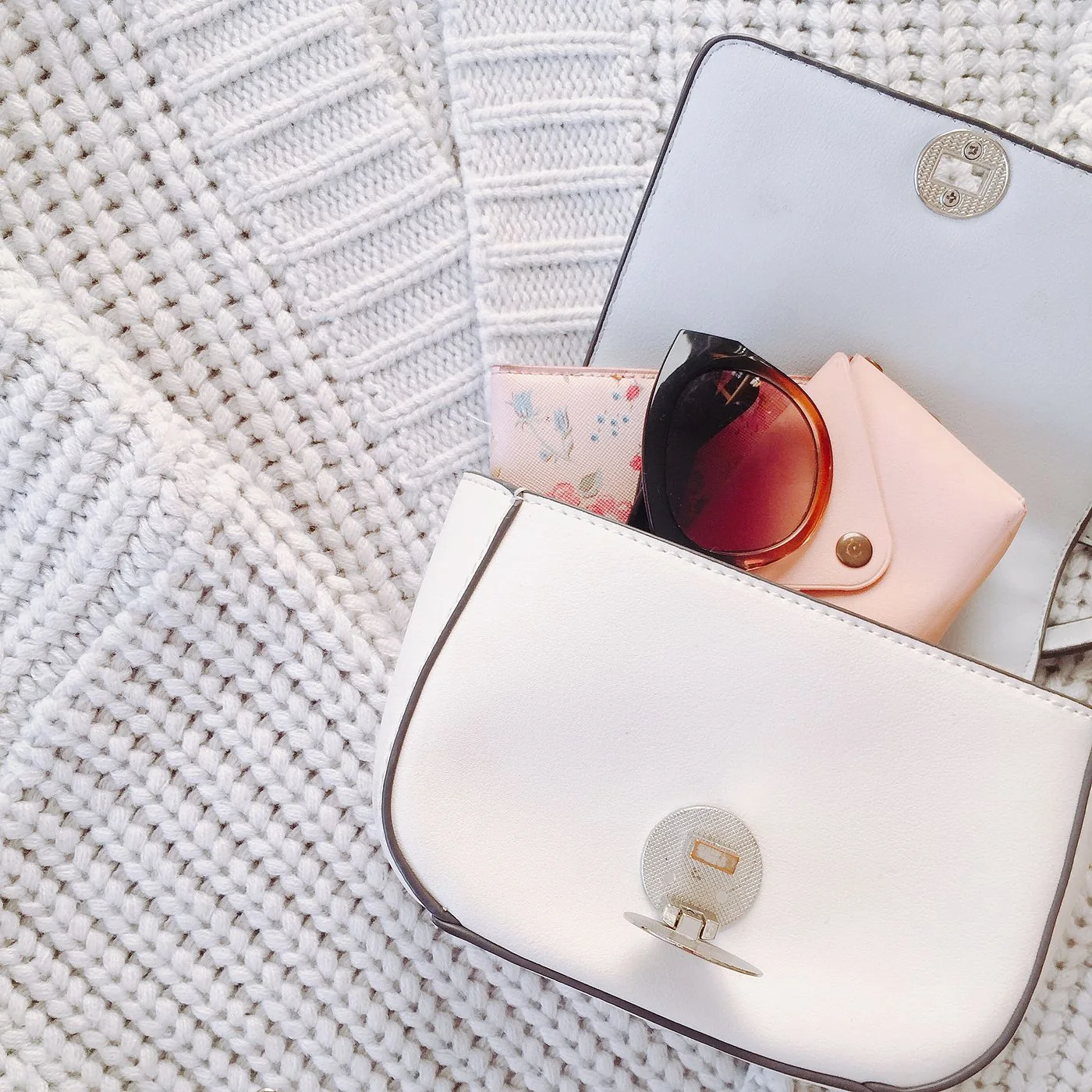
A sunglasses case needs to suit the actual frame and the way it will travel. A small case can look convenient beside a day bag yet close awkwardly around the glasses. Review the maker's information and the ordinary carrying arrangement before replacing a suitable original case with something chosen mainly for its appearance.
Begin with the frame and its instructions
Begin with the frame folded in its normal stored position. Compare the width across the front, the depth made by the folded arms and any projecting bridge against the case’s usable interior. The outside dimensions on a listing are only a starting point: lining and the closure occupy space too. Keep the original case beside a candidate replacement as a practical reference.
Keep this decision separate from any question about lens suitability or a personal vision requirement. A storage accessory cannot establish those matters. Use reliable product information and appropriate professional advice where needed instead of assuming every pair described as sunglasses serves the same purpose.
Check the complete opening
During a permitted fit check, place the glasses inside without pressing them down and close the case normally. Reopen it and look at the contact points: are the arms caught near the closure, is the bridge resting against a hard edge, or does the lid need pressure to meet? A case that needs the frame to be squeezed into place is a poor candidate, even when its exterior is smaller and easier to pack.
The glasses-case travel routine helps connect the object to the wider trip. Here the first question is compatibility: a convenient location in the bag is less useful if the case itself does not suit what it holds.
Review the bag relationship
Choose an appropriate place according to both products' requirements. Check the actual contents around the case rather than assessing an empty bag. Avoid treating a firm-looking shell as proof that the glasses can tolerate any load placed on top of it.
The day-bag strap check offers related questions about the complete carrying arrangement. Adding a case changes the real load, even when it appears small on a shopping page. Try the intended bag with the objects you will actually carry before buying another organiser.
Keep care information with the choice
Read the case's own cleaning and handling instructions. A surface that resembles another product may still need different treatment, and a decorative finish should not be cleaned by guesswork. Keep any useful product reference for later questions about its fittings or compatibility.
Separate the decision into two questions. Does the case accommodate the frame comfortably, and does that suitable case fit the intended bag space? Solve frame compatibility first. If only the second question fails, compare another bag compartment before buying a tighter case. This is the purchase-fit decision; the linked travel-routine guide addresses where a suitable case goes during the day.


