
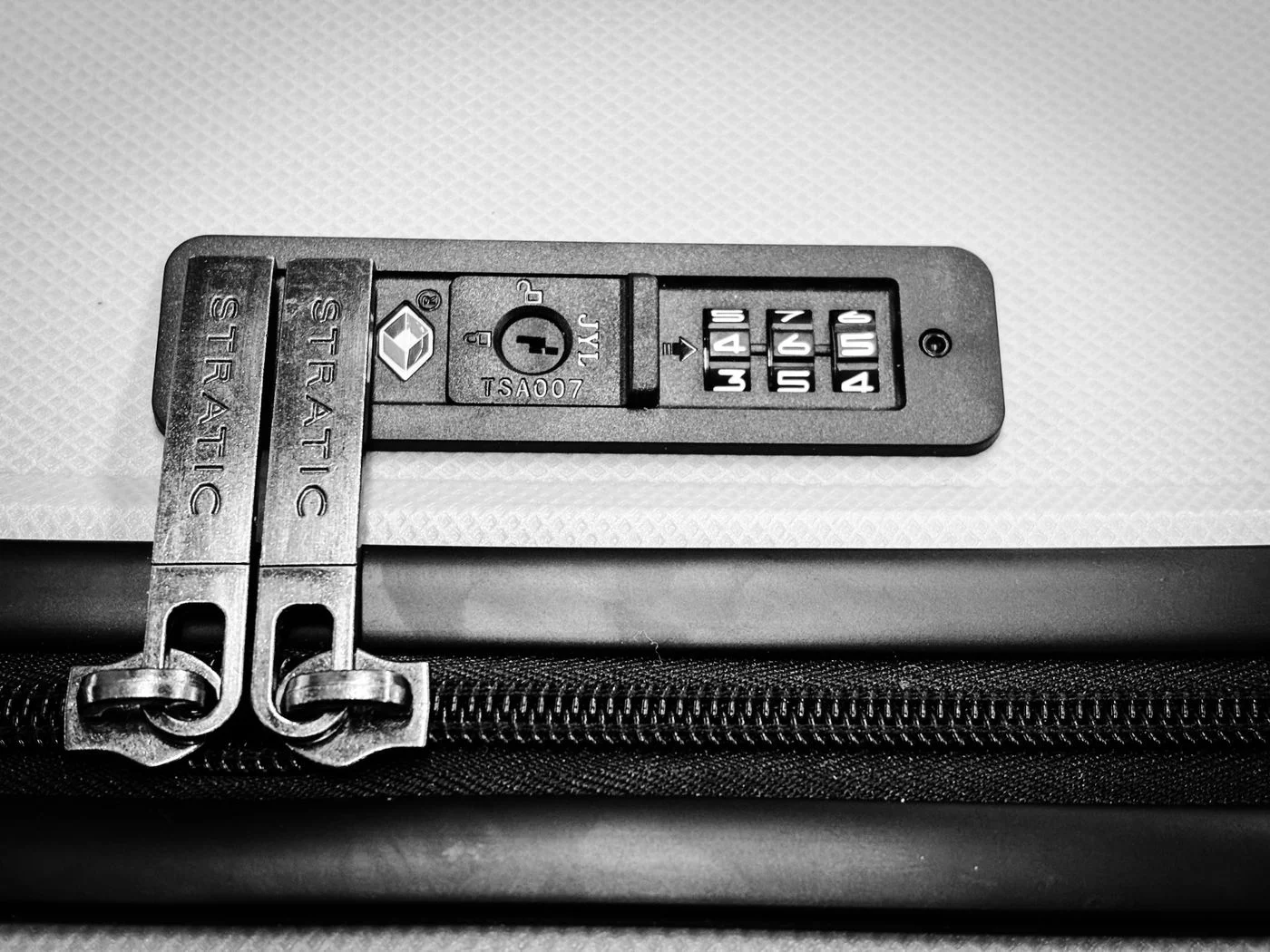
A damaged zipper or handle can make an otherwise useful bag feel finished. Sometimes a suitable repair restores the job it does well; sometimes other wear or a changed travel routine makes replacement more sensible. The decision becomes clearer when you identify the fault, the rest of the bag's condition, and what the next journey requires.
Begin by taking the bag out before packing. Empty it and inspect it in good light. Keep manufacturer instructions and model information nearby. Do not start cutting lining, forcing fastenings, or applying adhesive while deciding. An improvised intervention can make assessment harder and may conflict with service or warranty conditions.
Describe the problem precisely
Separate the symptom from the presumed cause. A zipper that catches may involve alignment, trapped material, or another issue; a handle that sticks may need a different assessment from a visibly broken one. Record what happens during ordinary use without repeatedly forcing the mechanism.
Take useful photographs for a legitimate service inquiry, including a wider view and the affected area. Remove or conceal personal luggage-label information where appropriate. A clear description can help the maker or repair professional advise whether an inspection is needed. An initial estimate may still change when the bag is seen in person.
Inspect the rest of the bag
Check straps, handles, lining, closures, wheels where present, and areas that carry weight. Notice whether the bag still has a stable usable shape and whether other faults are developing. One repair has a different value when it restores an otherwise suitable case than when several unrelated parts also need attention.
Consider fit with current travel. A bag you loved for car weekends may be awkward on a route with trains and stairs. Repairing it does not change its size or carrying style. Decide whether the repaired bag would still be the one you want to use, rather than repairing solely because it was once a good purchase.
Obtain a concrete repair proposal
Ask the maker or an appropriate service what the work includes, whether compatible parts are available, and what limitations remain. Check timing, delivery or collection costs, and any relevant conditions. A vague promise to fix the handle is less useful than a clear explanation of the proposed work.
Do not assume a matching-looking part is suitable. Construction and attachment can differ. If you plan a home repair, use verified model-specific instructions and only work within your competence. Tasks beyond that boundary deserve suitable professional help, especially when the component supports the loaded bag.
Compare complete costs and inconvenience
Include the repair charge, transport or postage, time without the bag, and any other necessary work. Compare with a replacement that actually meets your needs, not the cheapest bag in a search result. Familiar handling and a useful size can justify spending more on repair if that is a conscious choice.
Check current purchase and service information directly where it affects the decision. Avoid relying on old prices or an assumed warranty. If the next trip is close, consider borrowing a suitable bag by agreement while the repair is assessed. A temporary arrangement can preserve the option to make a careful decision after travel.
Decide what happens to the old bag
If replacing, choose a realistic route for the damaged bag. A serviceable item may have another use, but describe faults honestly if passing it on. Check whether a receiving organization accepts its condition. Do not transfer an unusable object without explanation simply to clear storage.
If repairing, complete the process and test the bag appropriately before packing. Keep relevant documentation and note any care or handling instructions. A bag waiting indefinitely for a quote is not available luggage. Give the decision a date so it does not remain an unresolved object beside the wardrobe.
Is repair always more economical? No; compare the actual proposal, remaining condition, and usefulness. Should sentimental value count? It can, provided you recognize it separately from practical need. What if the repair is cosmetic? Decide whether the appearance matters to you and whether the work affects use or only preference.
Our weekender bag guide helps evaluate a replacement for shorter trips. The carry-on buying guide covers a different luggage role. A good repair decision produces a clear next step and a bag that still suits the journey you intend to take.


