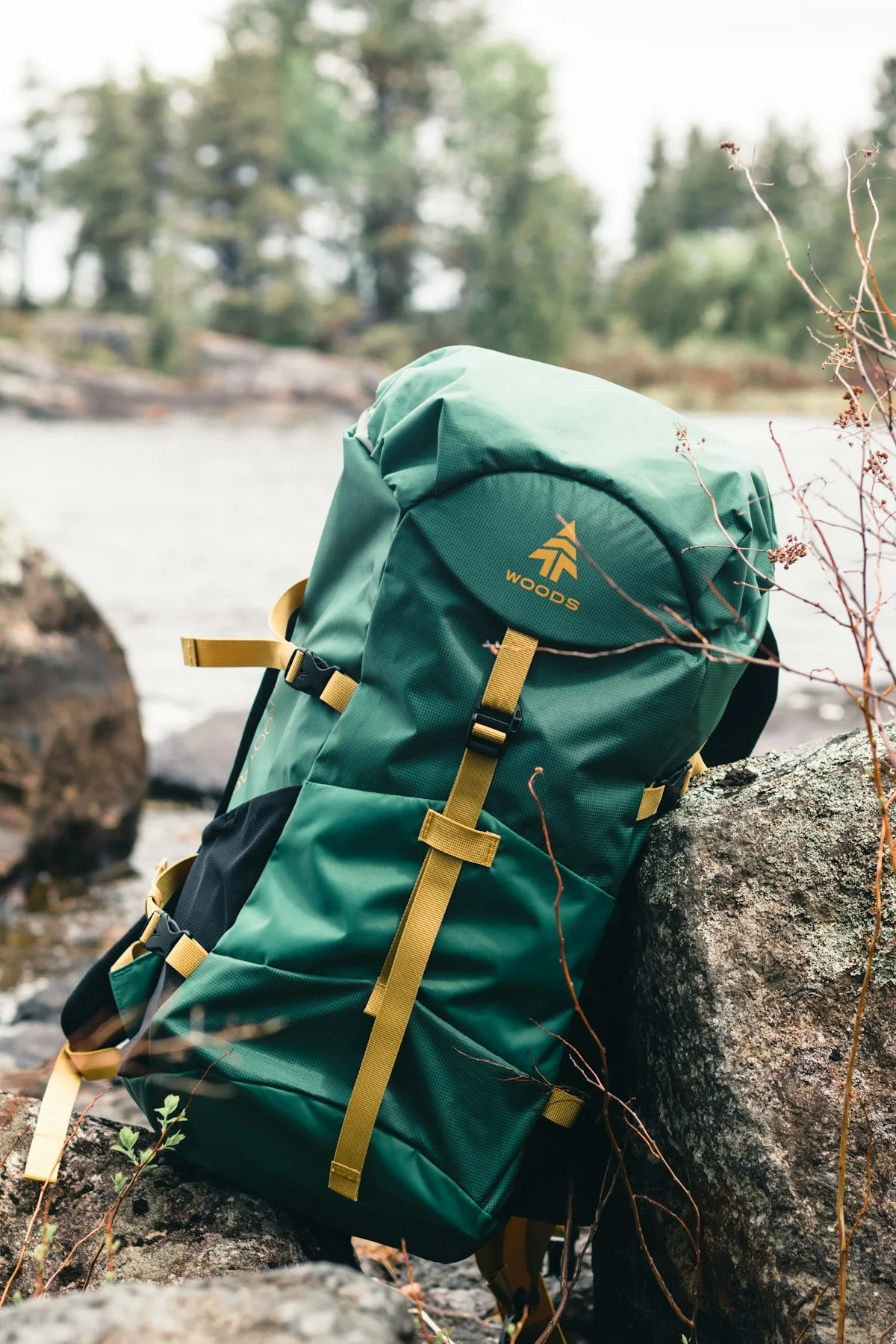
The awkward part of a rainy city day is often the transition indoors. You arrive at a café with a wet outer layer, an umbrella that needs somewhere to go and a bag holding things you would prefer to keep dry. A good day-bag plan begins with those ordinary moments, not with a long list of equipment for extreme weather.
Picture a modest day of walking, a museum visit and a late lunch. You need to reach the essentials without spreading your belongings over a chair. You also need a place for the wet items that appear along the way. Build a small system around that sequence and test it before leaving the hotel.
Give dry contents a clear home
Separate the items that must stay dry from the things you handle frequently. Documents, a spare layer and electronics should not share an open space with the umbrella you have just folded. Use suitable protective storage already available to you, and be careful about assuming that a bag's appearance establishes a particular level of water protection. Check the maker's description and use limitations when selecting equipment.
The point is not to put everything into its own sealed package. Too many small containers can make the bag harder to use. Group belongings by how you retrieve them: the things needed at a doorway, the things needed while seated and the things that should remain undisturbed. A spare pouch can help only if you can still identify its contents without unpacking the entire load.
Plan the doorway pause
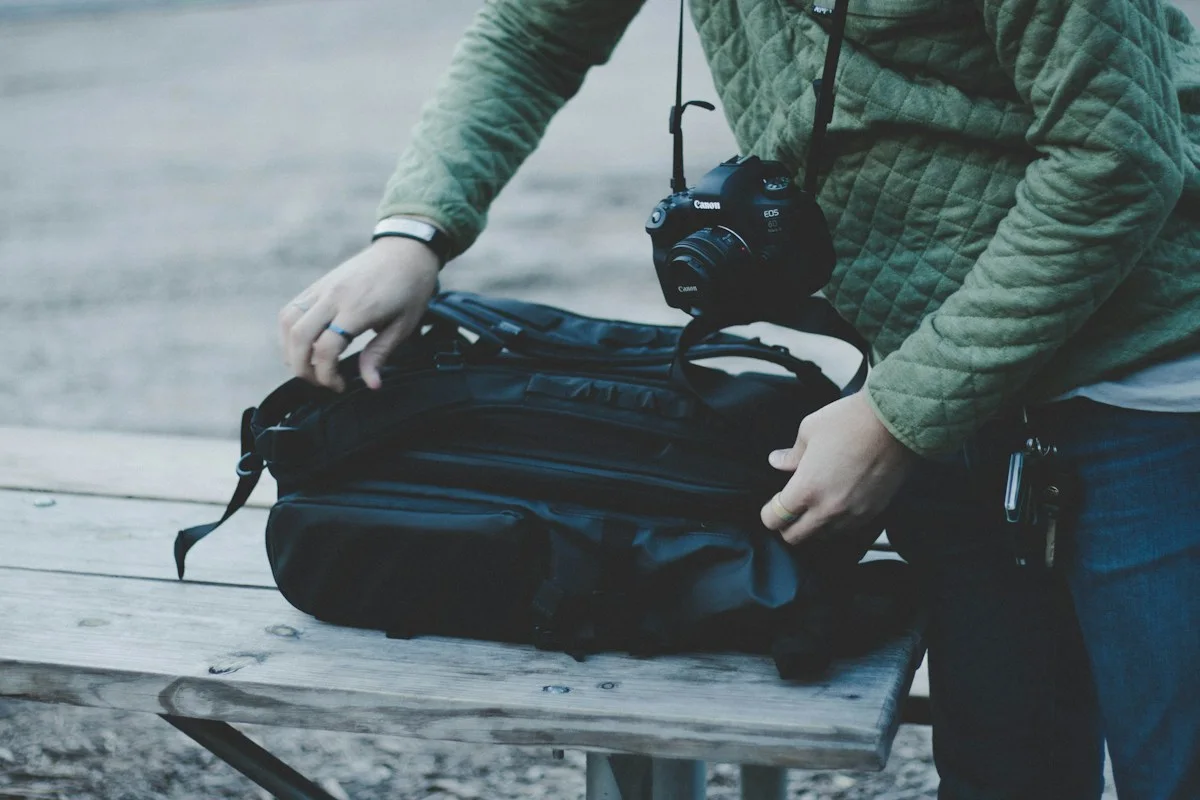
Before entering a busy place, allow a brief pause to close the umbrella, settle the bag and check what you need next. That is easier when the item for the entrance is in a predictable pocket. Avoid carrying loose objects in both hands while also trying to manage a door. A small adjustment outside can spare you an awkward rearrangement in the narrow space just beyond it.
Think about what happens after you sit down. A bag that balances comfortably when worn may be less convenient on a café floor or beside a closely arranged chair. Keep the load small enough to manage without occupying extra seating. Use the storage arrangements provided by the venue where appropriate, and follow its current rules rather than relying on assumptions from another museum or attraction.
Distinguish a useful spare from a complete second outfit
A compact extra layer may solve a real problem if your plans move between outdoor walking and long periods indoors. Several speculative clothing changes are more likely to make the day bag heavy. Choose the spare according to the activities you have planned and the conditions you expect, while keeping the option of returning to the hotel when that is practical.
Our hotel planning guides often return to the value of a useful base. A room within a manageable route can reduce the need to carry everything all day. When the hotel is farther away, simplify the day's plan rather than automatically compensating with a larger bag. Carrying more is only one response to uncertainty.
Keep wet items separate on the return
The bag needs to work in both directions. An umbrella that was dry when you left may not be dry when you return, and a used outer layer should not be pressed against a clean spare. Give these changes a place in the plan. A suitable sleeve or separate space can be useful, but do not leave damp items enclosed longer than their care requirements allow.
At the room, unpack the wet items first and arrange them appropriately. Keep hotel furniture and belongings protected, follow care labels and allow for the space available. If there is not enough suitable drying space, ask about available arrangements rather than improvising on a surface that may be damaged. The morning's packing becomes easier when yesterday's contents have been dealt with deliberately.
Run a seated access test
Pack the bag at home or in the room, sit down and retrieve the things you expect to use over lunch. Can you find the essentials without resting the bag in an inconvenient position? Is the zipper easy to reach? Does one loose object repeatedly fall into the way? These small observations can tell you more about your routine than adding another organizer.
- Keep frequently used items in one consistent place.
- Separate dry essentials from wet outer items.
- Leave a little capacity for the return journey.
- Check the bag before leaving each stop.
- Empty and reset it after returning to the room.
More ideas for choosing a manageable load are in our packing collection. The aim is a bag that supports the day, not a bag that contains a response to every imaginable inconvenience.
Should every city bag be waterproof?
Choose protection for the actual use and follow verified product guidance. A label alone does not replace sensible handling, and this guide does not establish a protection rating for any bag.