
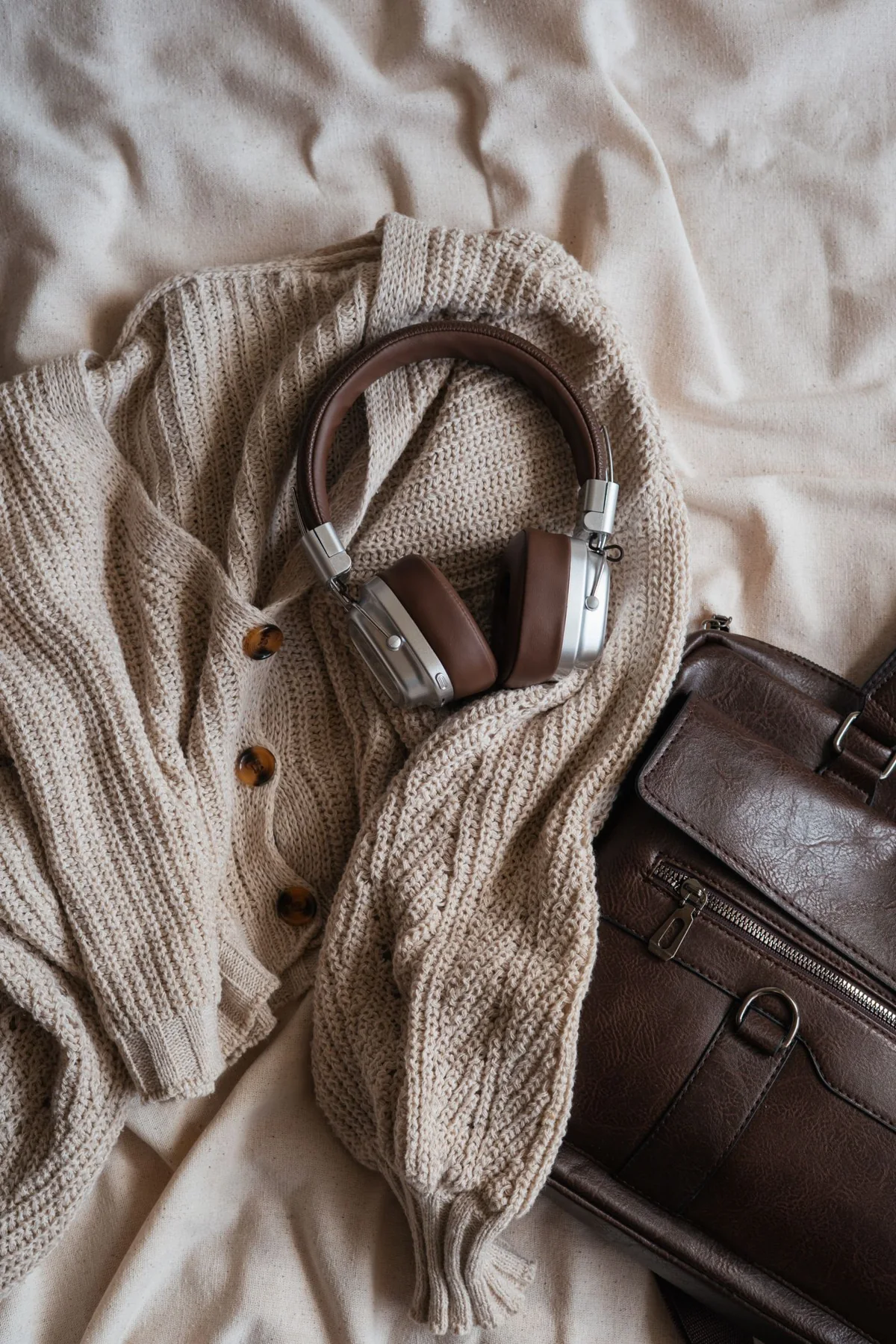
A headphone case can collect several objects that look as though they belong together: the headphones, a cable, a small fitting and perhaps something from another device. Identify those parts before travel. A case that closes neatly is only useful if the traveller knows what each item does and which pieces are actually needed.
Make the identification pass at home
Put the headphones beside their product reference and lay out the loose parts on a suitable surface. Compare the pieces with the maker's supplied information. Keep a cable or attachment whose identity is uncertain separate until it has been identified rather than assigning it to the kit because its colour matches.
Record the useful reference in a place you can find again. The charging-cable travel record helps with the wider device collection. This pass focuses on which parts belong with the headphones, so a general cable pouch does not quietly absorb something needed by another traveller's device.
Choose the trip's actual kit
Decide which functions you intend to use and check the relevant product information. Do not pack every spare from a drawer as a substitute for understanding the equipment. Conversely, do not remove a part merely to achieve a smaller photograph if it is needed for your intended arrangement.
If two people share similar equipment, identify ownership before the pieces enter matching pouches. A simple note in the travel equipment list can help without attaching anything to a device against its care requirements. Private account details do not need to be included in that shared record.
Put each piece in an understood place
Use the intended case arrangement and follow any instructions for folding or stowing the headphones. Do not force a hinge or crush a cable to make space for an unrelated object. A small compartment can stay empty if it has no useful role in this particular kit.
Open the case again and rehearse taking out the one item you expect to need first. Can it be retrieved without tipping loose accessories onto a seat? Return it and close the case normally. This complete task is a more useful packing test than simply proving everything can be fitted inside once.
Keep the journey's return simple
The personal-item packing guide helps locate the case within the larger bag. Keep the headphone kit's identity intact when another item is borrowed from it. If a companion takes a cable, agree where it will return instead of assuming the empty space explains itself.
After the trip, compare the contents with the short equipment record before the case goes into storage. Identify a missing or unfamiliar piece while the journey is still easy to remember. Seek appropriate product help for a damaged fitting. The useful result is a travel case that contains a known kit, rather than a tidy collection of accessories whose purpose must be rediscovered before every departure.


