
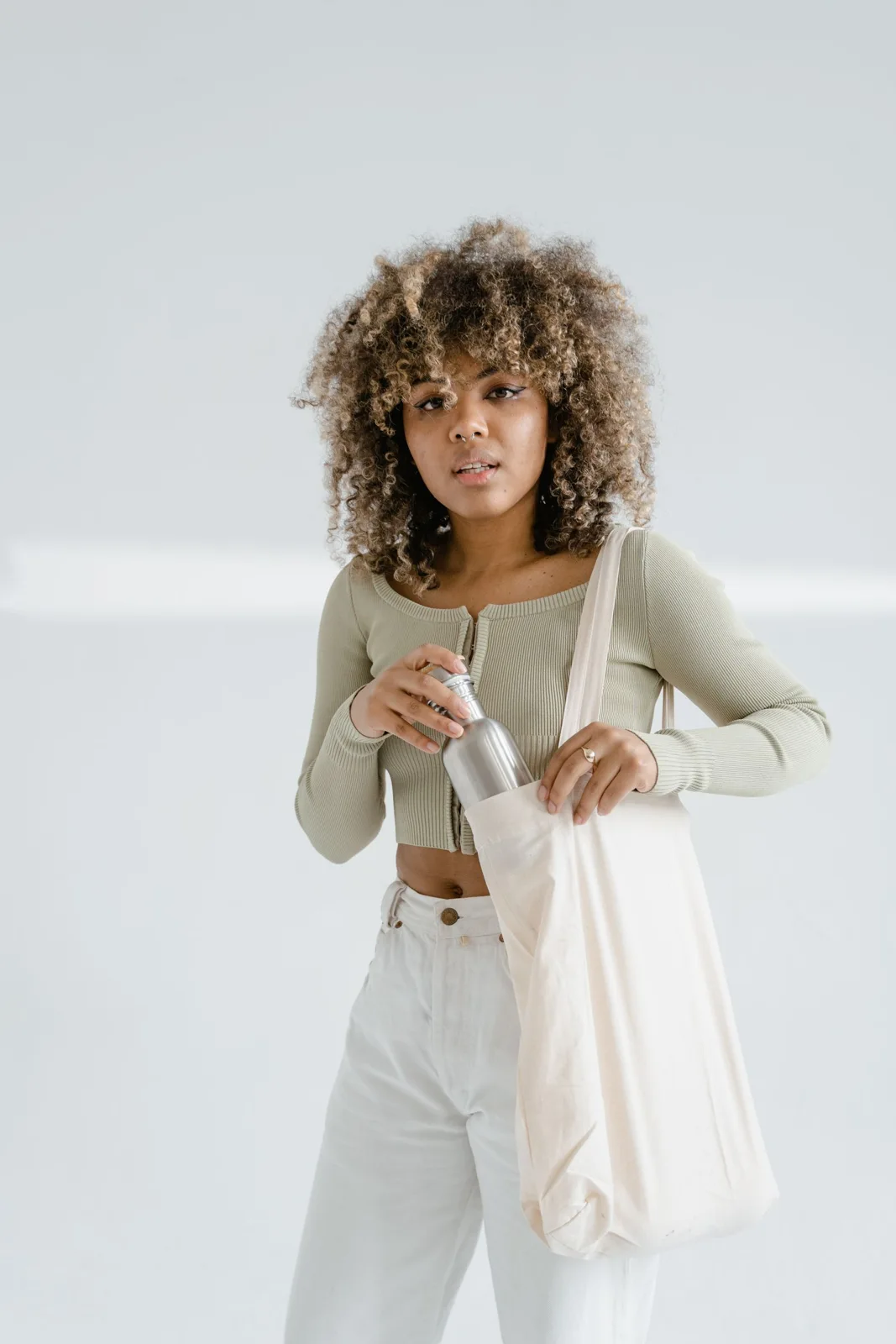
A bottle and a day bag can each work well alone and become awkward together. The bottle slips from an outer pocket, crowds a camera compartment, or adds weight far from the body. Checking the combination with your actual daily contents gives better information than comparing a bag's advertised capacity and a bottle's volume separately.
Begin with the outing and your own needs. Think about how long you expect to be away, confirmed opportunities to obtain suitable drinking water, and what else you must carry. This article concerns packing and handling, not individualized hydration advice. Follow appropriate guidance for your circumstances and verify local information where the route depends on it.
Measure the complete bottle
Check height, diameter, and any handle or lid that changes the shape. Compare those dimensions with the intended pocket or compartment. A bottle can technically fit while being difficult to remove or insecure when the bag tilts. Use the actual bottle where possible rather than a rough estimate from a photograph.
Read the bottle maker's instructions for use, closure, and care. Check that the lid and any seal are in suitable condition. A bag's separate pocket does not make a faulty closure harmless. Keep leakage risk in mind, especially near electronics, documents, and other belongings that need to remain dry.
Test the bag loaded
Pack the ordinary essentials alongside the bottle: a layer, phone, personal items, and any equipment you genuinely need. Wear the bag and move normally. Notice balance, pressure, and whether the bottle changes how the strap sits. A comfortable empty bag can feel different once a full bottle is added.
If the bottle uses an external pocket, check how it behaves when you bend or set the bag down. Follow the bag's intended use and any retention features. Do not assume an elastic opening guarantees the bottle cannot fall. A deep secure fit is useful only if you can still retrieve it without an awkward struggle.
Decide between internal and external storage
An external pocket can make access easier and keep the main compartment clearer, but its fit and balance matter. Internal storage can protect the bottle from catching on surroundings, yet it may increase the consequences of a leak. Choose according to the actual bag design and contents rather than a universal rule.
Use suitable separation and protection where needed. Do not pack a liquid beside unprotected camera equipment simply because both fit neatly. If the combination creates too much risk or inconvenience, change the bottle, bag, or contents. A packing arrangement should support the whole day, not just satisfy the capacity label.
Check access during real activities
Think about when you will use the bottle: a walk, transit, a café stop, or a venue with its own rules. Check current restrictions directly with relevant venues when they matter. A bottle that is convenient outside may need a different plan before entering a museum or passing a security process.
Avoid making access so elaborate that you stop using the planned arrangement. If taking the bottle out requires unpacking every layer, choose a simpler layout. One predictable place is easier than repeatedly moving it among compartments. Keep the routine manageable while maintaining appropriate control of belongings.
Compare weight with alternatives
A larger bottle can reduce refill frequency but adds carrying weight. A smaller one can feel easier while depending more on confirmed refill or purchase opportunities. There is no correct size for every traveler. Choose from your needs and route, using reliable local information rather than assuming water will always be available where you want it.
After the outing, clean and dry the bottle and bag components as their makers direct. Note any slipping, pressure, or access problem while the experience is fresh. A minor adjustment may solve it; a new bag is not automatically necessary. Test one change before buying several accessories.
Should every travel bag have a bottle pocket? Only if that feature suits your use and the actual fit works. Is a collapsible bottle easier? Compare its instructions, handling, cleaning, and how it behaves in your bag. Can I clip a bottle outside? Use only suitable arrangements within product guidance and consider movement and snagging.
Our camera day-bag guide helps with mixed equipment loads. The long-haul personal-item guide considers another setting where access matters. A useful bottle-and-bag combination carries comfortably and keeps the rest of your belongings in order.


