
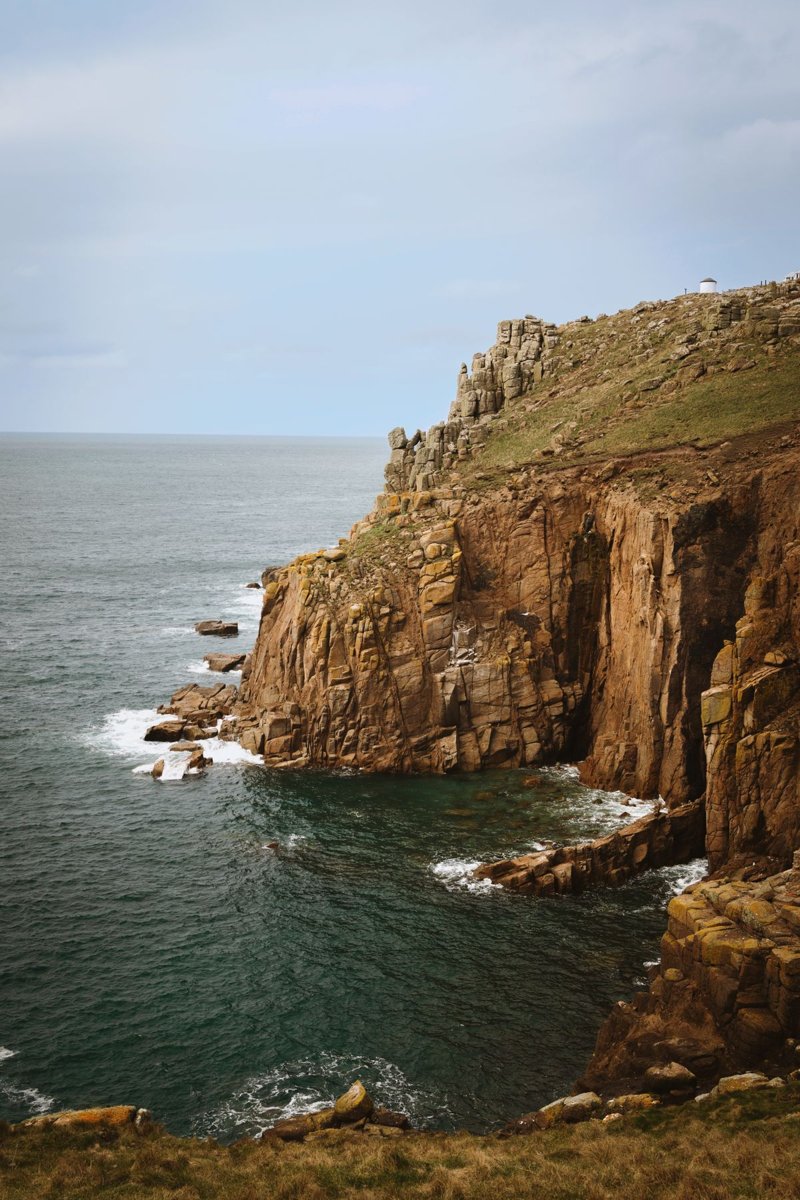
A coastal viewpoint should be planned through the actual route information rather than through the apparent closeness of the sea in a photograph. A dramatic edge may be easy to admire on a screen while its approach remains unclear. Begin with reliable information about the place and your own requirements before deciding it belongs in the outing.
Identify the exact viewpoint
Identify the exact viewpoint named by the image source, then look for the responsible organisation’s route information. Write down the confirmed starting place, return destination and the question still open. A photograph of cliffs may motivate the outing, but it does not identify a public approach or demonstrate that a visible track is intended for visitors.
Consult the relevant current official source for the route and any access requirements or restrictions. If that information is incomplete for an important personal requirement, ask the responsible organisation or choose another suitable outing. Do not replace a missing answer with the assumption that a visible path must be appropriate for everyone.
Read the approach and return together
Read the approach and return as one outing. Compare the official route description with the group’s own requirements, including any detail that needs direct clarification. Keep a suitable alternative in the plan when an important answer is missing. Choosing that alternative is easier when it has a clear meeting and return arrangement, rather than existing only as “do something else.”
The weather-flexible day-trip guide helps keep the outing adaptable. Changing the plan can be a successful decision when the actual conditions or reliable information do not support the original idea.
Choose belongings through the actual outing
Select clothing and equipment using their stated purpose and the relevant route guidance. Do not infer suitability from the appearance of another traveller in a photograph. Your own needs and the current setting should lead the decision, with any specialist questions addressed through appropriate advice.
Keep the carrying load manageable for the intended route. The day-bag strap check offers related questions about an ordinary bag trial, while the route's actual requirements still take priority over a general packing preference.
Let the view remain a choice
Discuss the plan with companions and leave room for someone to decline or choose an appropriate alternative. A photograph should not become a group obligation to reach an uncertain place. Agree how the outing can change without leaving anyone unclear about the return arrangement.
If photography is part of the plan, keep it within permitted areas and the equipment's intended use. Do not alter the route to reproduce a viewpoint whose circumstances you cannot verify. After the outing, record the confirmed information separately from personal impressions. The useful result is a coastal visit supported by an understandable route and current guidance, with the view enjoyed from an appropriate place rather than treated as permission to invent the approach.


