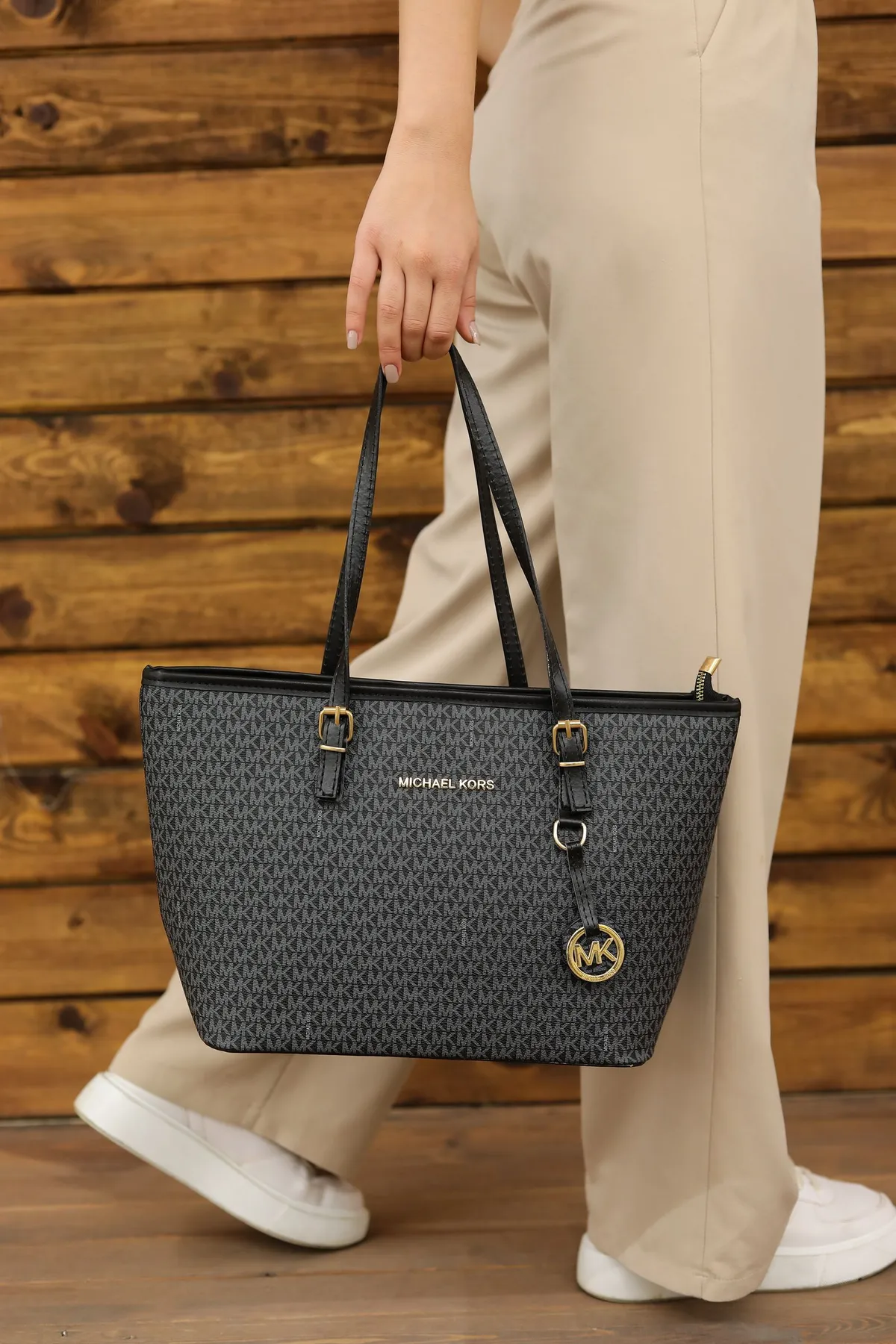
A bag’s exterior can include buckles, decorative pieces, projecting tabs and several kinds of handle attachment. A product photograph shows their appearance but does not demonstrate how the bag will work in your hands. Use those visible details to form precise questions before choosing the bag. Keep an aesthetic preference separate from an assumption about strength, comfort or practical performance that an image cannot establish.
Decide what you are comparing
Begin with the role you want the bag to perform. A main travelling bag, a small evening choice and an everyday destination bag involve different arrangements. Identify your actual proposed use before deciding that a decorative detail is either essential or automatically inconvenient.
Compare complete products rather than isolated close-ups. A photograph that emphasises attractive hardware may leave the handle position or the rest of the exterior unclear. Find the maker’s actual description and handling information for the specific item instead of applying a description from a similar-looking bag.
Turn observations into questions
Describe the detail plainly: a hanging decorative piece, a buckle on the handle or an exterior fastening. Ask what the maker establishes about its function and intended handling. Do not decide that a buckle is adjustable or that a decoration can be removed merely because it resembles another product you have used.
If an authorised opportunity to examine the bag is available, follow the seller’s instructions and compare the actual arrangement with your intended use. Do not perform improvised stress tests or force a fitting to answer a question that belongs with the maker.
Consider the full carrying arrangement
Think about the other items the bag would travel beside and the way you expect to carry it. A decorative element may be part of the look you enjoy, but it should not obscure your understanding of how the closure, handles or permitted attachments work. Keep the maker’s requirements clear.
The day bag strap guide addresses another part of the carrying decision. A clear exterior photograph does not settle strap comfort or the way a bag sits with the clothes you actually wear. Those questions deserve their own appropriate comparison.
Record the unresolved points
Write a small buying note with three parts: what you like, what is established and what still needs an answer. This prevents an attractive detail from quietly becoming an unsupported performance claim in your mind. It also makes a follow-up question to the seller more useful than asking whether the bag is “good for travel.”
The carry-on buying guide gives a wider example of choosing through a real use case. You can enjoy a bag’s appearance and still leave a question open. The sound purchase decision is the one made from the actual product information and your own priorities, with the photograph playing its proper role as a view of the exterior.